Overseas
Valdespino
Quina Jerez De La Frontera Pedro Ximénez

Perfecto!
An old, Chinchona infused vermouth that’s date, anise, bitter luscious.
Based on 20 yr. Oloroso.
W some soda on a hot day, pow!
@Delectable Wine : This is Valdespino Quina.
HISTORY
The history of the aperitif dates back to the 5th century B.C. when Hippocrates concocted a wine-based beverage macerated with wormwood flower and other herbs, which was traditionally used as a restorative and an appetite stimulant. In the late 1700s, in Italy, a flavored wine called "vermouth" was introduced as an appetite booster before meals. This tradition later spread to France and Spain.
In Spain, the aperitif and the "tapa" have together contributed to create a unique "social occasion" which has gradually become a key attraction for the general public and tourists worldwide; that is, the longstanding association of social gatherings with Spanish gastronomy.
The main difference between Spanish aperitifs (Vermouth and "Quina" or Tonic Wine, in particular) and their French and Italian counterparts lies in the quality of the aromatic flavors and the botanicals and fruits employed. Spanish aperitifs are somewhat sweeter and lighter, whereas Italian aperitifs are distinctive for their bitter flavor, while their French counterparts tend to be drier.
VALDESPINO AND
THE ORIGIN OF THE APERITIF
The connection between the Valdespino family and the aperitif dates back to the end of the 19th century and became especially relevant in the first quarter of the 20th century, at the height of the sherry wine boom.
By 1920 the House of Valdespino was already producing several wines macerated with root extracts and botanicals. They were called "tonics" and "quinados" and were recommended as "tonic – aperitifs" or "fortifiers", as shown on the labels of the time.
From 1930 until the second half of the 20th century, The House of Valdespino was particularly active in the production of beverages macerated with different botanicals, fruits and bitter root extracts (cinchona bark and vermouth). The company marketed several wines with considerable success, mainly on the domestic market but also in countries like the USA, where, in the 60s, Valdespino, together with their associate Jack Poust, launched a vermouth with orange called "Tomboe", designed mainly for the younger clientele.
Thanks to the boost provided at the time by the export of sherry wines to England and its overseas provinces, there was a boom in the production of wines made, or rather, macerated with the root of Cinchona Calisaya, whose bark, popularly called "quina", was the basis of quinine, an extract that contributed effectively to malaria prevention.
Since then, Valdespino has been macerating and bottling blends of different varieties of their own sherries.
THE ORIGIN OF
THE "JEREZ APERITIF"
The Estévez family, owners of Bodegas Valdespino since 1999, carried on with this tradition, and continued to macerate old wines from the different Valdespino soleras with various botanicals, natural extracts and fruits. These were small productions and batches, bottled for their own consumption, elaborated experimentally and in advance of what has now become the family's new collection.
The launching in 2021 of "Valdespino Aperitifs" represents an important milestone for the company, since it is a unique range in the Valdespino catalogue.
Valdespino's original "Tonic for the Sick" label, dating back over a century, has been selected in an attempt to recover some of the iconic designs from the family labels museum. The image, somewhere between Art Deco and vintage, has inspired the design, which is intended as a benchmark for today's aperitif ranges.
This is the first time that a Jerez winery has developed a collection of aperitifs by recovering old recipes and original labels from the early 20th century, using Very Old Oloroso Wines from the founding soleras of the Jerez firm, which today constitute our prized "VOS" and "VORS" (Sherry Wines of an average of over twenty and thirty years of age, respectively).
VERMOUTH
A coupage of Very Old Oloroso Sherry Wine (aged for 15 years) and Moscatel, which provides a stylish citrus note. After undergoing a hydro-alcoholic maceration process with bitter extracts of mugwort, coriander, elderberry and gentian, together with chamomile flowers, aromatic cloves, cinnamon, dried Seville oranges and juniper berries, the final blend is then aged in barrels which have previously contained Valdespino Oloroso Wines, all these coming together to make an intense and complex vermouth with a sumptuous balance of aromas.
This vermouth is a signature aperitif with an unmistakable identity characterized by the prominence of the Old Oloroso from Jerez, alongside an elegant dash of bitterness, which is offset by the sweetness of the Moscatel. The result is a subtly balanced taste with unique spicy and citrus notes provided by the botanicals and fruits.
Bright mahogany color with coppery tones.
Intense spicy aromas with hints of Oloroso Sherry.
Citrus notes from oranges, with a lovely, spiced blend of clove and gentian. An elegant, enveloping bitterness resulting in a complex yet smooth palate. Warm and welcoming, faintly sweet aftertaste.
Serve in a tumbler glass, with ice and a slice of grapefruit or orange. Ideal as an aperitif, accompanied by nuts, olives and pickles, it also combines superbly with canned fish tapas such as anchovies, pickled tuna and the like.
QUINA
This aperitif is the result of the coupage of 20-year-old Oloroso Wines with Pedro Ximenez from the soleras of our iconic PX "EL Candado". The procedure involves a hydro-alcoholic maceration process of Cinchona bark (Quina) with gentian root, natural licorice extract and nutmeg, along with a selection of dried citrus fruits, such as grapefruit and Seville oranges.
The result is a stylish, complex, one-of-a-kind aperitif with a bitter refreshing note. The Pedro Ximenez also provides a characteristic nuance of dried fruit (sultanas, dried figs, dates) that makes this tonic wine ever more unique.
A fresh and sweet palate with citrus and slightly tart notes, all wrapped up in a spicy combination of cloves, nutmeg, cinnamon, vanilla … leaning into the sweet reminders of the Oloroso Sherry barrels where it is aged.
Dark mahogany color with coppery tones.
Spicy aromas with vegetal notes from the botanicals and Oloroso Sherry.
Slightly bitter notes of Cinchona, combining well with the botanicals (licorice, nutmeg) and hints of dried fruits (dates, sultanas). A stylish citrus touch and the quinine bitterness bring about a warm, lingering aftertaste.
Ideal as a complement in cocktails (Rum Old Fashioned, Negroni, Mahattan, etc), it also makes for a perfect aperitif in a tumbler glass, on the rocks, with a cinnamon stick and a twist of orange.Serve with crisps, olives and pickles.
BODEGAS VALDESPINO
CTRA. N-IV, KM. 640 - 11408 - JEREZ, SPAIN
Bodegas Valdespino - All rights reserved 2021 — 4 years ago
I looked up that Syrah you posted, In U.S. I found 1 seller, in CO. Pick up only $53 Ha!

Pooley
Pinot Noir 2017


Toffee caramel notes showing the oak influence along with bright red cherries and other red fruits. On the palate a nice savoury earthiness - very Tassie. From the Coal River and only 5 klms from the high profile Tolpuddle Vineyard. Tasted again 9 weeks later on 19th February with consistent notes. Aromatic Bright and Fresh. A lot of these Tasmanian producers are boutique small operations who do not distribute overseas and can sell the lot in Australia. — 8 years ago
Krug
Brut Rosé Champagne Blend
There are certain occasions that call for Krug Rosé. So, HBTM! The bottle was corked in the summer of 2014. It’s a blend of 45 reserve wines with the oldest being from 2007 and the youngest 2002. This is why I think Champagne Makers are some of the most talented people making wine. They are constantly blending up to 100 plus wines to bring that bottle to bottle and year to year branded flavor of consistency. On the nose; red & pink spring flowers, cherries, strawberries, watermelon, black cherry, black raspberries, notes of blood orange citrus, baked bread, soft volcanic mineral and elegant chalkiness. The palate is always ridiculously delicate. Micro bubbles, silky rich texture with beautiful soft acidity. The palate fruits are similar to the nose; rich & ripe cherries, strawberries watermelon, black cherry, black raspberries, notes of blood orange citrus with hints of marmalade. Red & pink spring flowers, baguette crust, soft powdery minerals that give the palate a slight sting and super powdery chalkiness done just right. The finish is beautifully rich, textured, revealing itself in layers and lasts minutes. Photos of; Founder Joseph Krug, House of Krug, Winemaker Eric Lebel, Krug’s Clos du Mesnil, a small plot of 1.85 hectares of Chardonnay...one of the world’s greatest vineyards and their salon tasting room. Producer history & notes...Krug was founded by Joseph Krug in 1853. They are based in Reims, the main city in France’s Champagne region. It is one of the famous Champagne houses that formed part of the Grande Marques. Today the house is majority owned by the multinational conglomerate LVMH, which owns Moët Hennessy, Louis Vuitton S.A. and who’s wine producer portfolio includes other well known wine brands such as; Moët & Chandon, Veuve Clicquot, Château d'Yquem, Ruinart & Cheval Blanc, Dom Perignon and many others. Despite LVMH's majority ownership, the family is still actively involved in all the key decisions of the house but does not manage the day-to-day operations. Joseph Krug was born Johann-Joseph Krug, a butcher’s son, in Mainz, on the Rhine in 1800 when the city was part of the Napoleonic Empire. Having dispensed with the name Johann, he left Mainz in 1824 and in 1834 moved on to Paris. Germans were in demand in France as accountants and bookkeepers. So, Joseph joined Champagne Jacquesson in Châlons-sur-Marne. He spent eight years with Jacquesson. His work took him beyond accountancy. He went around Europe testing the market and assessing criticism from wine sellers and customers. He learned about composition and taste so that by 1840 he already seemed to have been blending Champagne for at least one other house. In 1841, he married Emma-Anne Jaunay. The daughter of a French hotelier based in London’s Leicester Square. The following year their son Paul Krug was born. In 1842 he moved to Reims and following a year later, Krug et Cie was founded with his partner, Hyppolite de Vivès. Joseph was fluent in French, English and German and even spoke some Russian, putting the company in position to exploit key overseas markets. Joseph died in 1866 and was succeeded by his son Paul Krug, who had been trained by his father to takeover. Joseph under the supervision of Paul, Krug was established as a Grande Marque. By the 1880s the prestige of Krug was acknowledged in the United Kingdom and became the primary overseas market for Champagne. In 1866, the House moved into Rue Coquebert, in Reims as it remains. After Paul’s death in 1910, he was succeeded by his son, Joseph Krug II. However, during World War I Joseph II was taken prisoner and his wife Jeanne played a key role in the House at a time when the Western Front divided the region between the Allies and the Germans. After the war, Joseph II’s slow recovery led to his nephew Jean Seydoux becoming joint manager in 1924. In that decade, the Krug 1926 and 1928 vintages were created, which have been considered by critics to be amongst the greatest Champagnes. Lawyer and wine writer Maurice Healey declared “Krug” the king of all Champagnes. Further, “that the 1928 Krug was the best wine made in the present century.” By the mid-1930s, Paul Krug II, the son of Joseph II, was active in the business and would become head of the House from 1959 to 1977. His father died in 1967, by which time he was, according to Patrick Forbes, “one of the most popular and respected figures in the Champagne district.” In 1962 Henri Krug, the son of Paul II, joined the management, as did his brother Remi three years later. Their arrival was followed by a series of innovations, including extensions in the range of Champagnes. In 1979, for the first time, a graduate winemaker joined the House. In January 1999, the House became part of LVMH and by 2007, the brothers, while remaining on the tasting committee, had stepped down from day-to-day responsibilities. In 2009 Olivier Krug, the son of Henri, became House Director. At harvest, Krug grapes are pressed close to their plots with the first juice kept for 24 hours in a vat prepared for the fermentation stage. The pressing from each plot is vinified separately. A pressing contains 4,000 kilos of grapes and yields 20.5 hectolitres of first juice (cuvée), which is poured into twelve oak casks chosen at random. Once fermentation is complete, the eleventh and twelfth casks are used to top up the other ten casks in order to protect the new wines from oxidation. For fifteen days, each cask is topped up with wine from the same plot. Krug uses small 205 liter oak casks tailor-made from trees that are more than two centuries old in the forests of Hautes Futaies in Central France. The average age of Krug oak casks is 20 years. They are retired after approximately 40 years of use. The wines remain in the casks for several weeks. During this period, clarification occurs naturally from the cool temperature of the cellar given the coming winter, as does a micro-oxygenation process from the use of natural containers, making the wine more resistant to oxygen over time. Finally, between December and January, the wine is drawn off into small stainless-steel vats. From here, depending on the decisions of Krug’s tasting committee, the wines will either contribute to that year’s assemblage or be stored in steel vats in the House’s library of 150 reserve wines to be used in the blend of a future Krug Grande Cuvée and or Krug Rosé. — 9 years ago


Ravines Wine Cellars
Argetsinger Vineyard Dry Riesling 2019

Powerful for an American Riesling, showing lots of minerals and even a bit of petrol overlaying floral, lemon, and lime aromas. As dry as advertised. Not as heavy bodied as its overseas or Washington State counterparts, likely because of the cooler climate. — 2 years ago
Trinity Hill
Homage Syrah 2015
Initially oaky notes which blew off after a while. Black and blue fruits, a gingery note with stacks of black pepper. A genuine cool climate Syrah - possibly NZ’s premium Syrah and certainly one of my favourite Syrahs. Black pepper and spice bordering on profound palate intensity. Very northern Rhone - excellent. I don’t know how available this is overseas but it’s worth seeking out. An interesting back story: The winemaker, John Hancock, who worked the harvest at Jaboulet in 1996 received Syrah cuttings from the Hermitage Hill as a gift from Gerard Jaboulet. Hancock planted them in 2001 and now, in good vintages, uses the fruit for Homage. Scents of potpourri, lavender and wild thyme “. I totally agree. I had a 2nd bottle 40 weeks later on 29th March 2025. Very good - seems more peppery than usual. I had a 3rd bottle on 11/10/25. Leaner on the mid palate than I recall. White pepper very much in evidence. I can’t see this putting on weight in the coming years. Next in a year or so. 4th bottle on 4th July 2026 matched with a Forest Hill Mount Barker 2017 which had white pepper notes. This Trinity Hill had definitely black pepper notes. 5th bottle on 5th October 2026 with consistent notes. Very peppery. 98 points from Bob Campbell MW. Do a unique note for the last bottle in about mid 2027. — 2 years ago
Dom Pérignon
Brut Rosé Champagne 2005
The colour of pink copper. Consistent fine bead with aromas of strawberry, honey dew melon, hint of beeswax. 100% Pinot Noir. As Jancis commented “like a Volnay in its perfume and delicacy but as substantial as fine red burgundy “. Could not see the point in further cellaring given how good this is now and already 17 years old, even if the window by JR is to 2027. A combination celebration of wedding anniversary and farewell to the children returning overseas. It’s all happening!! PS The photo shows the back light on turned on with a switch in the punt of the bottle giving a sexy pink glow. Obviously aimed at the dimly lit night club scene where it would definitely enhance sales. — 5 years ago



Vincent Dauvissat
Montée de Tonnerre Chablis 1er Cru Chardonnay 2013
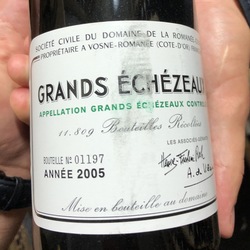
MDT side by side I’ve always wanted to do! 😍
Vincent Dauvissat “Montée de Tonnerre” 2013- The first vintage of Dauvissat’s MDT, with just 2 barrels made and incredibly minuscule amounts making its way overseas. It’s super giving, seamlessly balanced and finely detailed showing a complex array of yellow fruit, lilies, wildflower honey and hazelnut with lemony acids and a stony minerality. It continued to gain volume and focus with air. A true competitor to Raveneau’s 2013 MDT, if not the wine I actually found myself ultimately savoring. It’s just in a great place and very ready to drink. — 5 years ago
Jessup Cellars
Estate Grown Manny's Blend Napa Valley Red Blend 2014

We were able to buy 6 x bottles of 2014 Manny’s Blend and bring them overseas w/ us. Truly one of the most multifaceted wines I’ve had: great alone, w/ steak, w/ chocolate....it’s sick. Just perfection. — 8 years ago
Craiglee
Sunbury Shiraz 2006
Craiglee have been making wine on this site since the 1860s In a 3 Level bluestone gravity fed winery - about a half hours drive north of Tullamarine - Melbourne International Airport. Aromas of Liquorice and Spice. Medium minus palate weight - very different to Barossa or McLaren Vale Shiraz. Medium To light weight tannins. Great length despite the lack of palate weight - like a Pinot lovers Shiraz. Years ago I used to buy this cool climate Victorian Shiraz because of the white and black pepper, but no sign of that in this one - is Pat Carmody picking a little riper? Worth a visit for any visiting overseas Wine Lover so close to Tullamarine. — 8 years ago

Yalumba
D Black Cuvée Sparkling Cabernet Sauvignon Shiraz 2004
Sparkling Shiraz is an Australian specialty that does not seem to have caught on overseas. Like an excellent aged Cab/Shiraz with a mild bubble. Blackcurrant spice and chocolate on nose and palate. Love this style. Drank my last bottle of Yalumba D on 8th Nov 2016. Notes as above with more complexity giving a score of 96 points. The perfect accompaniment to turkey legs. — 10 years ago

Lenz Moser
Niederösterreich Grüner Veltliner

Love these simple dry German / Austrian wines. Pairs well with everything in my mind, and cheap as hell in Germany. Not as cheap here but cheap enough to remind me the bargain they are overseas. Weisswein schorle forever. Oh yeah, stone fruit notes, maybe a bit peppery, but dry, so up my alley for a daily wine. — 2 years ago

Moorabool Estate
JH Dardel Paradise IV Red Blend 2015
An interesting back story. This wine is from the Geelong District in Victoria. In 1848 Swiss Vigneron James Henry Dardel commenced the establishment of Paradise Winery and Vineyards, I, II, III and IV on the banks of the Moorabool River at Batesford near Geelong. He won local and overseas acclaim for his wines before the Geelong Wine industry was destroyed by phylloxera in 1881. In 1988 planting was re-established on the site of the original Paradise IV Vineyard by Graham and Ruth Bonney. The vineyard faces north east and has a unique soil profile of decomposed granite over limestone marl. The vineyard is low cropped and the wines are made using traditional winemaking techniques. The wine is Northern Rhone in style. Red florals with lots of spice and charcuterie. Rich and savoury on the medium plus bodied palate. Only 240 dozen made. Is there a square mile of Victoria not suitable for viticulture? — 3 years ago
Piper-Heidsieck
Essentiel Extra Brut Blanc de Blancs Chardonnay

I have not seen the bottling in the U.S. before and brought it back from a recent overseas trip.
Stone fruits commingling with citrus fruits with light brioche and ginger spice. Creamy yet robust. The freshness, purity, precision, and elegance are all there, which is why BdB is my favorite type of Champagne when done right.
17’ based wine with 30% reserve, disgorged in 21’.
And why not all Champagne bottling display the information already? — 4 years ago
Château Mouton Rothschild
Pauillac Red Bordeaux Blend 1989
Celebrating my daughter Georgie’s birth year before she returns overseas tomorrow. Notes of plum, cassis and tobacco all melded together with soft dusty resolved tannins. Hints of cowyard, dried rose and leather developed. A gorgeous Mouton from an excellent vintage and ready to drink now. — 5 years ago


J.M. Labruyere
Prologue Propriétaire de Vignes Grand Cru Champagne Blend

The 17th century saw an explosion of beverage options in Europe. Spirits were coming into their own, flavoring with hops was finally the standard for beer, and chocolate, coffee, and tea began flowing from overseas. Wine was no longer the only kid on the block, and had to offer something new to stay on top.
Sparkles in wine due to second fermentations were nothing new, but it was the leap in English glassmaking technology in the 1620s with coal-firing that allowed them to be harnessed. No longer would there be constant risk of bottles exploding from pressure, and bubbles came ever more into vogue - much to the chagrin of the great advocates of still blanc de noirs Champagne, Dom Perignon and the Marquis de Saint-Evremond. But there was no holding back the tide, and by the end of the century sparkling Champagne was the drink of choice for high courts across Europe.
(This is adapted from notes for Le Dû’s Wines ‘History of Wine 1453AD-Present’ seminar, where this wine was poured.) — 7 years ago
The Standish Wine Company
Single Vineyard Shiraz 2015
A new entry into the Excellent category and one of the hot newer Barossa wineries. Getting some rave reviews in the overseas press. Langtons tasting in September 2018. — 8 years ago

hunting list. Thx again & cheers 🍇🍷
Kosta Browne
Estate Pinot Noir 2013
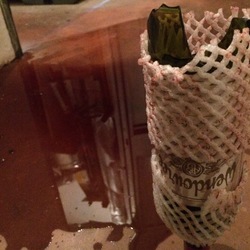
Happy birthday to me! Well, to Mrs Feyereisen as well. Celebrating tonight before heading overseas for 10 days and what a bottle this was. Kosta Browne is always special but this may have been my favorite - cola and cherry notes ride along a finish that sails on for at least a minute. Lucky to have snagged a handful of these last summer. Cheers all! — 9 years ago


Somm David T
Independent Sommelier/Wine Educator
Back @BalancesRestaurant - Lucerne. Yes, it is that good.
A little backstory on this 2nd wine of Clerc Milon. This was made by my friend Jean Danjoy. He was the Asst. Winemaker at Opus One for 10 years before making the decision to go back to Bordeaux to redesign the winemaking facilities at Clerc and making his first vintage, 2009. A grand Bordeaux vintage to make his first Clerc Milon. He now overseas all the Rothschild properties, including Mouton. He is uber talented and perhaps the nicest human being I have met. He is also the one that showed Sofia & I how to taste & judge vineyard fruit for harvest in 2012.
Jean decided to make this second wine primarily for restaurant lists.
The nose shows brilliant red & dark florals. Dark cherries, poached strawberries, blackberries, black currant core, black raspberries, pomegranate, oak barrel powder, some anise, black tea, gentle baking spices-clove, nutmeg, cinnamon, vanillin, caramel notes & dark chocolate, dark, rich, subtle earth, dark withering flowers.
You could make a case for rounding this up to 93.
The fruits are ripe…special. Even glorious. Very soft and rounded M-M+ tannins. Dark cherries, poached strawberries, blackberries, black currant core, black raspberries, pomegranate, oak barrel powder, some anise, black tea, cola, beautiful, round dark spice that long sets w/ the most gentle palate heat, gentle baking spices-clove, nutmeg, cinnamon, vanillin, caramel notes & dark chocolate, dark, rich, subtle earth, some fresh & dry tobacco, soft leather, very soft graphite, dark withering flowers. Excellent rainfall acidity with a well balanced, softly structured, elegant finish that last 80 seconds and lands on gentle dark spice, loamy earth and fruit.
Great pair with the Venison. — a year ago