Fourth Estate Winery
Olivier Rivière
Rayos Uva Rioja Tempranillo Blend 2021

At Rijks Pop up. Interesting soft profiled floral Rioja that happened to match well with the designated fourth course of chicery bitterness — 3 years ago
White Hall Vineyards
Petit Verdot 2019

Fourth of July wine. Medium-full bodied with well balanced tannins and acidity. Leather, blackberry, baking spices, vanilla, and apricot notes. Paired extremely well with smoked BBQ. — 3 years ago
Seavey Vineyard
Caravina Napa Valley Cabernet Sauvignon 2014



Popped and poured from a magnum; no formal notes. This is probably the third or fourth time I’ve had the 2014 Caravina and while it’s still quite primary, this is the best showing yet. Bright red and black fruits with tobacco, a whiff of bell pepper and some baking spices. Firm structure with grippy tannins. The acid is elevated but welcome, particularly since it helped to slice through the fat of the prime rib. Finish is long and satisfying. Drink now and through 2034. — 4 years ago
Black Stallion Estate Winery
Napa Valley Cabernet Sauvignon 2015
At the family Fourth of July party. — 5 years ago
Château Smith Haut Lafitte
Le Petit Haut Lafitte Red Bordeaux Blend 2016
Fourth wine of the week. Very good second wine - 60 Cabernet / 40 Merlot from younger vines. Brambly blackberry, cranberry, olives with tobacco notes and a smidge of graphite. Tannins are ripe and smooth. Lacks the concentration and layered complexity of the grand vin, but still very good. 2016 vintage on April 19, 2020 — 7 years ago




Château Saint-Pierre
St. Julien Red Bordeaux Blend 2010
Opened about 30min before service; enjoyed over the course of several hours. The 2010 currently pours a deep garnet color with an opaque core; medium+ viscosity with significant staining of the tears and some signs of sediment. On the nose, developing with dark cherry, blackberry, plum, raspberry compote, pencil lead, licorice, mint, forest floor, tobacco, green bell pepper, cocoa and fine baking spices. On the palate, the wine is dry with medium+ tannin, medium+ acid. Confirming the notes from the nose. The finish is long and slightly bitter. The nose is the star with such a complex perfume; I could spend the entire night with my nose in the glass. A lovely Fourth Growth. Drink now through 2040+. — 2 years ago
Château Mouton Rothschild
Pauillac Red Bordeaux Blend 1996

1996 vintage. Decanted and tasted after two hours. Decent fill and not throwing as much sediment as expected. Cork in great shape and only bottom fourth saturated. Expressive nose of extreme, maritime cedar influence and graphite/lead pencil. Plenty of color with a very thin meniscus. Have never been the biggest Mouton fan (least fave of the First Growths) but this is in the zone/at the top of the bell curve/rollin rollin rollin rollin now and for the foreseeable decade+ without drop-off. Decidedly not improving, but on the hell yes plateau for 12-15 years. Nose substantially translates into the finish, adding sandalwood and that massive, muscular and intimidating dark, plummy thrust. Professional opinion suspects this would be tasting better in another 2 hours. Don't sell your biggies short (all too frequent mistake). They gotta stretch them legs. 7.7.23. — 3 years ago
Fourth Wave Wine Partners
Bare Winemakers Single Vineyard Close Planted Pinot Noir 2021

Jammy not too oaky — 4 years ago
Lucien Le Moine
Les Perrières Meursault 1er Cru Chardonnay 2011
Trepidation given the age … should have been decanted but I wanted to see it develop in the glass. Golden-orange colour worried me. First was not good - heavy oxidation, caramels, nutmeg, wood (although nice and buttery). Second glass vanilla, lemon peel, burnt peaches, then it balanced out with fresh apricot and lemon zest. Crazy long apricot jam finish. At this point it became an exceptional wine. Third glass had a lovely nose, rounded and buttery on the palate, notes of orange and cinnamon (?). Fourth glass was perfect, green plums, lovely and crisp with good minerality and balance — at La Spiaggia, Constance Belle Mare, Mauritius — 5 years ago
Château Beychevelle
Saint-Julien Red Bordeaux Blend 2003

Tonight I have opened the Fourth Growth 2003 Château Beychevelle. The blend is 50% Cabernet Sauvignon, 40% Merlot and the remainder has parts of Cabernet Franc and Petit Verdot.
On the nose there is black cherry, black plum, black raspberry, red currant, vanilla, mint, licorice and earth
On the palate there are notes of cherry, black cherry, raspberry, black currant, licorice, mint, tobacco leaf, some oak and earth.
This wine is medium to full bodied with a smooth supple mouth feel, medium to medium + acidity and medium to medium + fine tannins that lead into a medium to medium long earthy finish. We are starting to see more people out and the streets a bit more congested. Please use common sense and stay safe and be healthy. Nostrovia! 🍷🍷🍷🍷 — 7 years ago
Château Duhart Milon
Pauillac Cabernet Sauvignon - Merlot Blend 2006
The 06 vintage was more highly praised by the Bordelais than it delivered. That’s not to say, some producers didn’t deliver.
This 06 is not at its peak...still needs a few years. Will it be a wine that blows you away? Not likely but, it will deliver nice fruit, earth & balance. Especially, with a Ribeye.
The nose shows; ripe; blackberries, dark cherries, black raspberries, baked strawberries, dry cranberries & some black plum. Saddle-wood, limestone minerals, dry stones, cinnamon, soft spice, light vanilla, black rich earth, touch of black licorice and red & dark fresh florals.
The body is round and a little lean but puts on weight with food and decanting. The structure, length & tension are falling into place. The fruits are ripe and expressive. Blackberries, dark cherries, black raspberries, baked strawberries, haunting blue fruits, dry cranberries & some black plum. Saddle-wood, touch herbaceous, mint, limestone minerals, dry clay, dry stones, cinnamon, soft spice, cola, light vanilla, black rich earth, touch of black licorice and red & dark fresh florals. The acidity is round and beautiful. The finish is on the leaner side but, well balanced and lasts a full minute. 9.1 without the Ribeye, 9.2 with it.
Photos of, Duhart Milon, Cabernet ready to to be pressed, wine making facilities and their barrel room.
Producer history and notes...the Rothschild family is divided into two sects for lack of a better word. There are the ones that own Mouton Rothschild and Cleric Milon etc. and the other owns Lafite and Duhart. The two sides of the families don’t necessarily get along. However, they are two of the oldest/wealthiest families in recorded history.
Duhart Milon was originally known only as Chateau Milon. At one time the estate was the second wine of Chateau Lafite.
The story about how this came to be is interesting. The owner of Lafite at that time was the Marquis Nicolas-Alexandre de Segur. King Louis XV called him “The Wine Prince” because of his extensive vineyard holdings in Bordeaux. The Milon vineyards were well regarded but, not as good as Lafite, which is how the wine came to be thought of as the second wine for Lafite.
In 1815, the property was considered by some people as a fourth growth Bordeaux wine in the making. In those days, the wine was sold under the name of Chateau Mandavy-Milon. Between 1830 and 1840, the Casteja family inherited the estate.
The label of Duhart Milon, according to family tradition came about from an old legend written about one of their ancestors, Sir Duhart. Sir Duhart, was rumored to have been a pirate for Louis XV. He retired in Pauillac. The “Pirate’s House” on the Pauillac port existed up to the 1950’s. That original building inspired the label for the Duhart-Milon wines.
The Casteja family remained in possession of Duhart Milon until the first part of the 20th century. At the time, Chateau Duhart Milon was one of larger Pauillac estates with around 50 hectares of vines.
In 1937, the result of successive inheritances led to the sale of Duhart Milon. The Left Bank property went through five different owners in just 25 years. As well, the vineyards were split up and with the frost of 1956, the quality of Duhart Milon continued declining until the Rothschild family purchased the property in 1962.
At that time of the sale, Chateau Duhart Milon included 110 hectares of land, of which only 17 hectares were planted with vines. The entire vineyard was in desperate need of replanting. Major renovations were urgently needed in the vineyards, which demanded work on the drainage and replanting.
The size of their vineyards were also increased with the purchase of other parcels adding to the size of their Medoc holdings. New cellars needed to be built as well.
Chateau Duhart Milon remains one of the few 1855 Classified Growth estates without an actual Chateau. At Duhart, all you will find are the cellars, vatting rooms and barrel storages.
During the period of 1970 to 2000, the vineyards nearly doubled in size! Additionally, they constructed new cellars, renovated and modernized their wine making facilities as well in 2003. By 2008, the wine of Duhart Milon increased in quality, stature and price.
Much of the price increase had to do with the association with Chateau Lafite Rothschild, which had by that time, become the most in-demand, collectible wine in China. By the time the 2015 vintage was offered, prices had dropped to a more affordable price level due to changes in Chinese laws regarding client gifts/bribes.
The 152 hectare vineyard of Chateau Duhart Milon includes; 76 hectares of vines planted to 67% Cabernet Sauvignon and 33% Merlot. This makes Chateau Duhart Milon one of the few 1855 Classified Growths with only two grape varieties planted in their vineyards.
The average age of the vines are 30 years old. The vineyard is planted to a vine density of 7,500 vines per hectare.
Duhart Milon vineyards are located in northern Pauillac, on the western side of Chateau Lafite Rothschild, on the Milon hillside, which is not far from the Carruades plateau...now Lafite’s second wine. This places the vineyard quite close to Chateau Mouton Rothschild and Chateau Clerc Milon. However, because of micro climates, this is a slightly cooler terroir, due to its northern exposure.
The naturally cooler soils provides more freshness to the wine, and allows for later picking. The terroir of Chateau Duhart Milon is a combination of gravel, sand and limestone soils. The Duhart Milon vineyards are unique in Pauillac, as the vines are for the most part, located in 1 single, large parcel.
The vinification of Chateau Duhart Milon takes place in temperature controlled stainless vats. Malolactic fermentation takes place in vat. Chateau Duhart Milon is then aged in an average of 50% new French oak barrels for 14 to 16 months, depending on the vintage.
There is a second wine, Moulin de Duhart, that was created in 1986. There is also a third wine produced by the estate, Baron de Milon. — 8 years ago

Paul T, Missing My Beautiful Wife 24/7
I only drink wines that taste like Patent leather, soft leather is for sissy’s,😬Tenuta dell'Ornellaia
Le Serre Nuove dell'Ornellaia Bolgheri Rosso Merlot Blend 2021

The fourth time in a month… great place — 2 years ago
Fourth Wave Wine Partners
Little Giant Barossa Shiraz 2022
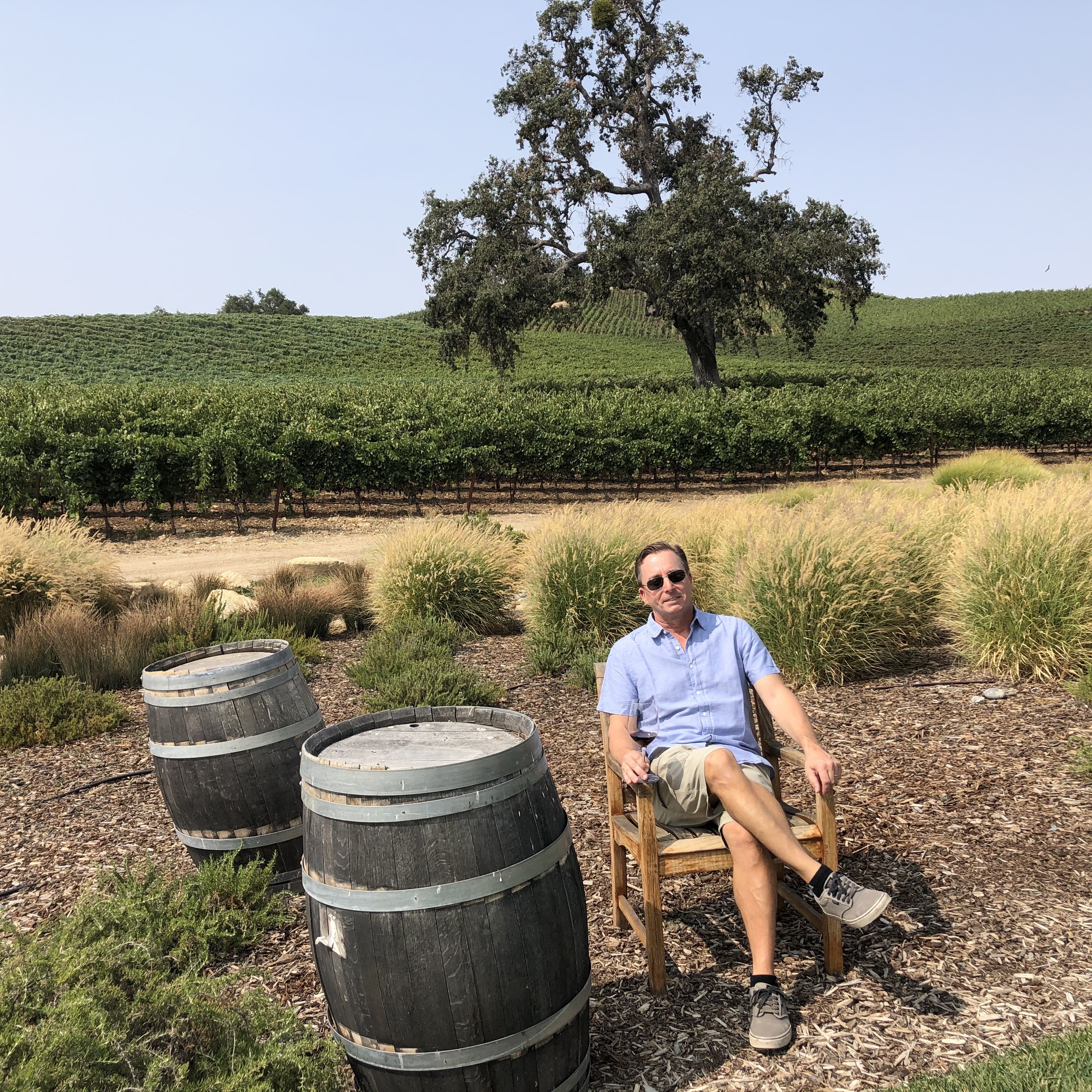
Let the AUS tastings begin - with a value Shiraz on the Gold Coast. Well rounded, easy drinking. 🇦🇺 — 3 years ago
Realm Cellars
Beckstoffer To-Kalon Vineyard Cabernet Sauvignon 2013

Happy fourth! Burgers and Realm tonight.
2.5 hour decant(decent chunky/fine sediment). A remarkable dark ruby red color. On the nose: blackberry, cassis, floral, vanilla chocolate, eucalyptus. Taste: smooth,plush, teeth staining wine with black cherry, sweet spice, graphite, slight tar, and a long chocolate espresso finish with just a touch of heat. — 3 years ago


Château Villemaurine
St. Émilion Grand Cru Classé Red Bordeaux Blend 2018
2018 vintage…again. Nose initially had elements of baby diapers but that (fortunately) blew off quickly. Stabilized to the plum/nut/saline aromas. Medium body. A little Syrah texture here and there and beyond respectable tannins. Coffee grounds, blue fruit, tobacco and baking chocolate pay their respects on the almost über-astringent finish. Really youthful but in balance now. Nicely made. Tasting for the fourth time in six months and consistent throughout. Underrated. — 5 years ago
Marcel Lapierre
Morgon Gamay 2017

Fourth time tasting Lapierre in 2017. I've got a bit of a cold so I'm not enjoying this one as the previous ones. The nose is still a cherry bomb and bears a violet stamp. The palate is still very well balanced with a strong acid backbone, lots of ripe cherry all over the place, some grip, some width. The palate is a cherry song that plays for a very long while. 24 hours later it's still singing. Great! — 8 years ago

Henry Luiker
A bargain at $190 from Winestar. Fear I may have become overcorrected with no decanting at all for vintage Barolos, following education in Piedmont, but it seemed to go full panoramic after the fourth glass. Must try again with controlled variables!
— a year ago