Prohibition Cellars
Lazy Susan Ranch
Diamond Mountain District Cabernet Sauvignon 2014



Paul T, Missing My Beautiful Wife 24/7
Quite a few on winebid tomorrow, I didn’t realize they have more than just one main high end label now.Kings of Prohibition
Barossa Valley Cabernet Sauvignon Shiraz

Trader Joes — 6 years ago
Turley
Duarte Vineyard Zinfandel 2017

Exceptional Turley! From old vines in contra costa county (pre prohibition). This is voluptuous and complex with notes of fresh plum, cinnamon and dried cranberry. This could use a couple years in bottle but honestly why wait? Lovely example of the Turley style. — 7 years ago

Kings of Prohibition
'Al Capone' Cabernet - Shiraz 2020

Tastes bold, full bodied, off dry, medium acidity, medium high tannins, black cherry. Finishes dry & long, complex & beautiful. — 8 years ago
Château Haut-Brion
Pessac-Léognan Red Bordeaux Blend 1920

Far Niente Winery
Napa Valley Chardonnay
One of CA's oldest wineries, Far Niente, founded in 1885 by world traveler John Benson. The winery flourished until Prohibition, at which time it was abandoned and fell into complete disrepair. The stately stone shell of a winery was purchased in 1979 by Gil Nickel. Tropical and stone fruit aromas with complex spice and oak notes. On the palate apple, melon and citrus flavors, creamy, with toasty oak, fig and honey tones. Lingering finish ending with vibrant acidity & mineral character. Consistent. Nice! — 8 years ago
Renault Winery
Port Blend
Renault Wine Company "wine port tonic" circa 1928. We've owned this prohibition ers port for over twenty years just waiting to taste it with someone born in 1928. The cork was crumbly but intact. Dark red color with dried plums in the nose. No signs of oxidation. Rich fruit flavors of raspberry and plums. Velvety texture with a long sweet fruit finish. Amazingly youthful for 90 years old. Can't imagine that it could as great as it was. I wish that we had more of this gem. A stunning piece of history. — 9 years ago
Ravenswood Winery
Icon Native Sonoma Mixed Blacks Red Blend 2013
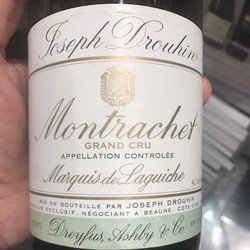
In the early 1850s the first significant vineyards were planted in Sonoma. Over the next half century, through a rigorous process of trial and error, the components were narrowed to four distinct varieties – petite Sarah, Zinfandel, Carignane , and Alicante Bouschet– each demonstrating extraordinary quality. Ravenswood ICON is a revival of this traditional “native Sonoma mixed blacks“ blend produced from old, low production, vineyards planted before Prohibition and is a tribute to Sonoma County’s incredible ancient vines. 14.8% ABV. — 2 years ago
Guiborat
Prohibition Champagne Pinot Meunier

Reims with Sepali!
— 4 years ago
Old Forester
1920 Prohibition Style Kentucky Straight Bourbon Whisky
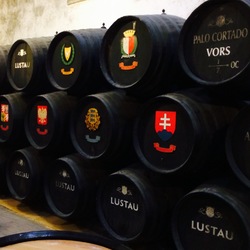
Very smooth and sweet — 7 years ago
Ridge Vineyards
Geyserville Sonoma County Zinfandel Blend 2017

The first European grapes were planted in what is now the U.S. in the 1600s, where Spanish missionaries in New Mexico needed sacramental wine. But Phylloxera was ever-present near the eastern population centers, so the earliest American wine industries were built on hybrid grapes. Cincinnati's sparkling Catawba was America's first cult wine, followed by cultivars like Norton, Isabella, and Concord in Missouri and Virginia. The sleeping giant began to awaken in the 1850s, when Agoston Haraszthy began importing high-quality vine material to California.
It all came crashing down with Prohibition in 1920. Not only were vineyards ripped up and knowledge lost, but the American palate became soft and sweet. Low-quality fortified wine from whatever grapes were available became the standard of the American wine industry.
Things began to shift in the 1960s. Robert Mondavi brought dry table wine, varietally labeled, back to the forefront. Boutique producers like Ridge began to creep toward European quality standards. The 1976 Judgement of Paris blind tasting, a sweeping victory for the Americans, proved that the New World wine was here to stay.
(This is adapted from notes for Le Dû's Wines 'History of Wine 1453AD-Present' seminar, where this wine was poured) — 7 years ago

Matt Brewing Company
Utica Club Pilsener Lager Beer

Philip Togni Vineyard
Napa Valley Cabernet Sauvignon 1992
One of my favorite Napa producers & vintages from Philip Togni.
On the nose, ripe, perfumed florals, creamy fruits of; blackberries, mulberries, dark cherries, black raspberries, raspberries, plum and strawberries on the glass edges. Vibrant baking spices; vanilla, light cinnamon, clove & nutmeg. Dark smooth spices, mocha chocolate with caramel, dark berry cola, notes of black licorice, sweet tar, forest floral, fresh tobacco leaf, just a touch of dry herbs, graphite, loamy clay and dark, fresh red florals with lavender & violets.
The body is, round, ruby, lush & full. The structure, tension, length have just tipped to the very beginnings of the waning stage but, the balance is incredible. Ripe, perfumed florals, creamy fruits of; blackberries, mulberries, dark cherries, black raspberries, raspberries, plum and strawberries on the glass edges. Vibrant baking spices; vanilla, light cinnamon, clove & nutmeg. Dark smooth spices, mocha chocolate with caramel, dark berry cola, chalky volcanic minerals with some grit, crushed dry rocks, notes of black licorice, sweet tar, forest floral, tobacco with ash, soft leather, saddle-wood, some underbrush, just a touch of dry herbs, graphite, loamy clay and dark, fresh red florals with lavender & violets. The round acidity is near perfect. The long, round, ripe, ruby, lush, well balanced finish sings on the palate for minutes.
Photos of, the Philip Togni vineyard, cellar staff-Salvador Sanchez, Philip Togni and his daughter Lisa and their barrel room.
Producer notes and history...Philip Togni was born in England and earned a degree (the Dipome National d’Oenologie) at the University of Bordeaux under Emile Peynaud. World famous Winemaker & mega Wine Consultant Michel Rolland also studied under Emile.
After his studies, Philip Togni moved to the Napa Valley in 1959. His first job was planting vines at Mayacamas.
In his career, he has been the Winemaker for Chalone, Chappellet, Cuvaison, Gallo, Inglenook and Sterling before starting his own winery.
Philip Togni was the Winemaker at Chapellet when they made one of the top wines from the 1960’s, the legendary 1969 Chapellet.
Philip Togni Vineyards were founded in 1975 when he purchased 25 acres atop Spring Mountain at an elevation of 2,000 feet. It took until 1981 to plant the vineyard. Sadly, he had to replant in the early 1990’s due to phylloxera.
The winery released its first vintage in 1983, a Sauvignon Blanc. However, he no longer produces white wine.
It took a few more years until the first Cabernet Sauvignon wines were produced at the estate. The debut vintage for Philip Togni Cabernet was the 1985 vintage. The initial vintages of Philip Togni were 100% Cabernet Sauvignon.
Philip Togni does not produce wines with high alcohol. A style from Napa that is sorely missed by me.
The style of his wines are Left bank. Left Bank wines had a big influence on his winemaking and the estate. However, if you have ever spent time looking at his labels for alcohol levels, they’re nowhere to be found.
During the 1980’s, the BATF allowed wineries to state that their wine had the alcoholic strength of a table wine, which was around 7% to 14%. For wineries that had not requested to change their labels, those wineries were not forced to provide specific percent of alcohol. If their labels remain unchanged from their label during the 1980’s, they were only required to state the wine as table wine.
The vineyard contains rocky and clay soils at 2,000 feet. Like Howell Mountain, the vineyard is well above the fog line, which allows for more sunlight and riper fruit.
The Estate is planted to 82% Cabernet Sauvignon, 15% Merlot, 2% Cabernet Franc and 1% Petit Verdot.
Philip Togni makes three wines:
Philip Togni Cabernet Sauvignon. It is aged in 40% new, French oak barrels for an average of 20 months before bottling.
Philip Togni Cabernet Sauvignon is a big, powerful, tannic when wine young. PT requires longer cellar time. It’s made from ripe mountain fruit that can easily take a 10 to 20 year to fully mature. And trust me, it is closer to 20 years of aging before it’s ready to drink.
Philip Togni also produces a second wine called “Tanbark Hill.” It’s named after a prominent hill near the Estate. Tanbark Hill is a 3 1/2-acre parcel of young vines. A very good second wine for less money.
The third wine is Philip Togni Ca’ and is sweet red dessert wine that is produced from the grape, Black Hamburgh. This grape was popular in the Napa Valley before Prohibition. Black Hamburgh is also know as Black Muscat. It is a grape variety derived from the crossing of the Schiava Grossa and Muscat of Alexandria by R. Snow of Bedforshire, England in 1850, according to my studies.
Philip Togni remains a family Winery. The estate is managed by Philip Togni (in his 90’s), his wife Brigitta Togni and their daughter Lisa Togni. In time, it is expected that Lisa Togni will take over the estate.
— 8 years ago

Cutty Sark
Prohibition Edition Blended Scotch Whisky
Honey and plumeria. Dry and stiff. — 2 years ago
Kings of Prohibition
Lucky Luciano Barossa Valley Shiraz 2022
A sweet dark fruit (blackberry and plum), vanilla & chocolate. — 2 years ago
Kings of Prohibition
Al Capone Scarface Cabernet Sauvignon Shiraz

Fruity but still dry but not drying. — 6 years ago
Elyse
Korte Ranch Vineyard Zinfandel 2014
Korte Ranch located north of St. Helens along Napa River, having gnarly head trained vines, at least 70-years old, thriving there, and was a bonded winery before prohibition. Deep Ruby with aromas of black fruits and complex spice adding a bit of floral notes. On the palate flavors of black cherry and blackberry with layers of spices, cinnamon and vanilla with slight citrus tone. Fine structured tannins, long finish on this full-bodied wine ending with fruit, oak and spice character. Should develop nicely over next 5+ years. Outstanding! Tasting Sample! — 7 years ago
Karmère
Empress Juana Primabera Zinfandel Blend

Brunch at John and Glenda’s for John’s birthday. Shenandoah Valley in California where a lot of the zin vines were saved from prohibition destruction because it was used for sacrament. Old vines. Delicious. One of the highest quality reds I’ve ever had. Absolutely delicious with a a long finish and complexity. Loved it. Will have to visit Shenandoah Valley! — 8 years ago
Big House Wine Company
Prohibition Red 2015

Nice red blend. Would definitely drink it again. — 8 years ago
Seavey Vineyard
Estate Grown Cabernet Sauvignon 2013
The nose reveals; dark currants, blackberries, heavy black plum, black raspberries, dark cherries and some blueberries. Black tea, expresso roast, anise, crushed dry rocks, big vanilla, clove, a little nutmeg, dry underbrush, sweet tarry notes, leather, woody notes with dark fresh & withering flower bouquet.
The body is big and lush. The tannins are big, meaty and tarry. Very dark currants. Blackberries, heavy black plum, black raspberries, dark cherries and some blueberries & strawberries as they open up. Black tea, expresso roast, steeped fruit tea, anise, crushed dry rocks, dry clay, big graphite, big vanilla, dark spice, clove, light dry herbs, a little nutmeg, dry underbrush, sweet tarry notes, leather, cedar with violets dark fresh & withering flower bouquet. The acidity is round, fresh and beautiful. The big, long, well balanced finish is excellent and look forward to having this in 15-20 years. This one will be a stunner!
Photos of, the barn where they make wine and hosts tastings, our private tasting area inside William’s old office. William desk and their outside terrace area.
Producer history & notes...Seavey Vineyard is located along Conn Valley Road in the eastern hills of Napa Valley, about 15 minutes from the valley floor.
This historical property was originally a cattle ranch. However, records indicate grapes were planted on some of the hillsides as early as the 1870’s. The stone dairy barn, still in existence, was built in 1881.
William & Mary Seavey purchased this property in 1979. The estate was originally founded by the Franco-Swiss Farming Company in 1881 which, closed down when Phylloxera destroyed their grape vines and the Volstead Act (Prohibition) went into effect. At the time of their purchase, they were a horse and cattle ranch. They quickly planted the slopes with grapes and initially sold their fruit to Raymond Vineyards. They have never purchased grapes, all their wine is made from estate grapes. Their vineyards are separated into 20 plus individual blocks.
Today, the property is about 200 total acres of which, 40 acres are planted to vine. Their hillside vineyards produce low yields of rich concentrated fruit. A small block of Chardonnay grows in a cooler lower part of their property. Besides grapes, they also raise cattle which are used to graze the hillsides. They feed the vineyard with the cattle cuttings. In 2003, they were one of the first Napa wineries to install solar.
Mary passed away in 2008 and William died in 2016. There daughter Dorie returned to the family business and now oversees the winery operations. Her brother Arthur also handles national and some small international sales, primarily to restaurants. However, most of their wine is sold direct to consumers.
Seavey’s first commercial vintage was released in 1990 a year after they renovated the stone dairy barn into a working winery. Today this stone building is the centerpiece of the property and is where tastings are hosted.
Since 2011, Jim Duane has been their day to day Winemaker. He’s worked at Robert Mondavi and Stag’s Leap Wine Cellars. It should also be noted that Philippe Melka Winemaker/Consultant has been with Seavey since 1995...one of Philippe’s two initial wine making jobs in the Napa Valley were with Seavey and Lail Vineyards.
Seavy makes about 3,200 cases annually depending on what mother nature brings. They make around two hundred cases of Chardonnay, slightly more Merlot and the rest is of the production is comprised of their Caravina and Estate Cabernets.
— 8 years ago

Paul T, Missing My Beautiful Wife 24/7
The Vineyardist 2nd label.
This one surprised me by how much air it needed to open up. Had a splash on day 1 and immediately corked it back up for a day 2 decant. Definitely not an over extracted Cabernet just to please the masses. My ratings might be higher than others but I work these wines to get the best out of them.
Interesting note I found-
The Vineyardist is a Diamond Mountain property with a long history. In the late 19th century it was purchased by a Dutch shipping captain who planted vineyards and made wine. During prohibition the vineyards were replaced with nut and prune orchards. In 2000 the property was purchased by Dirk Fulton and Becky Kukkola, who began replanting some of the 80 acres to vineyards. — a year ago