Peel, Greater Perth
Vinska Klet Goriška Brda
Krasno Pinot Orange 2018
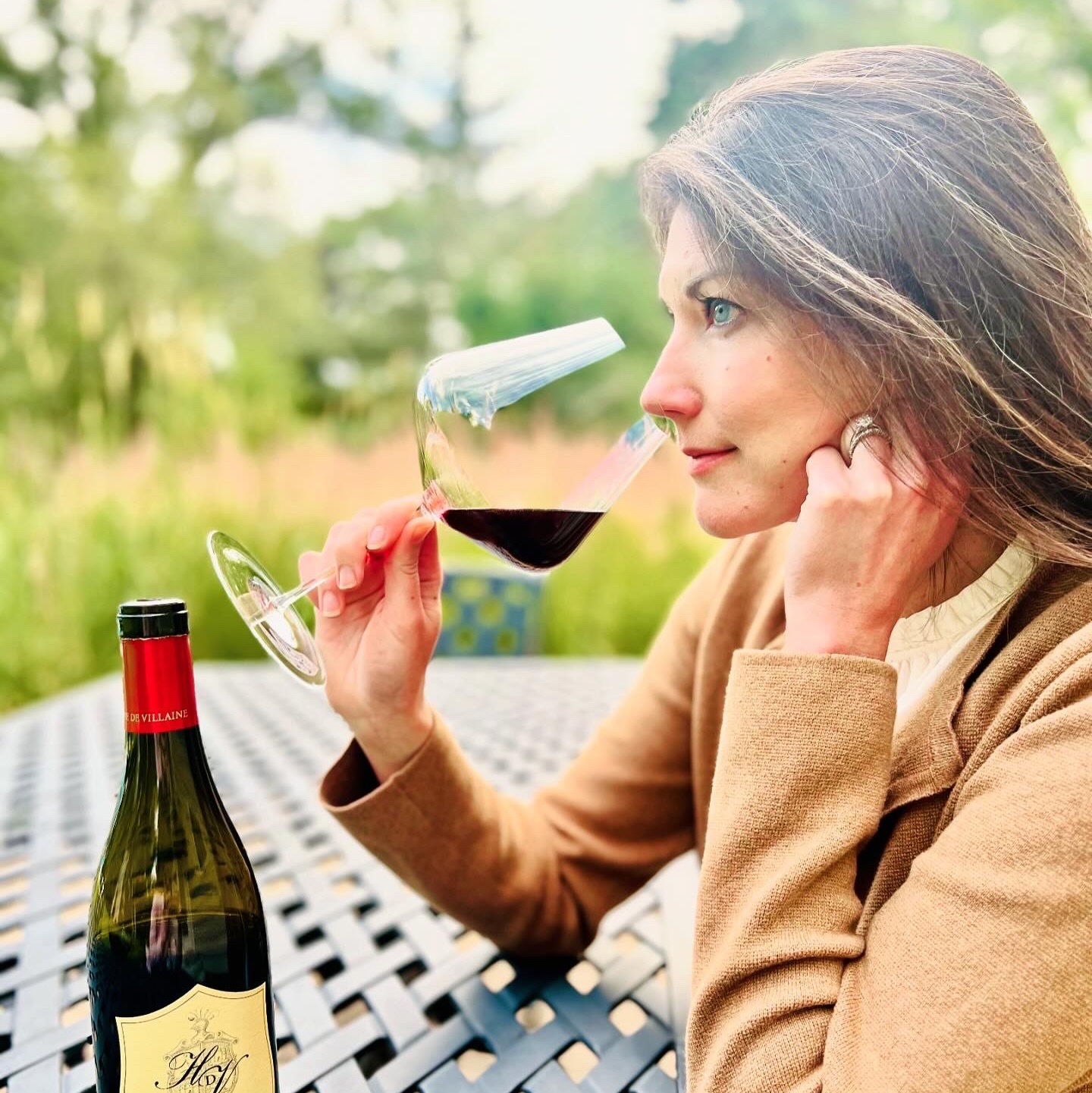
I love orange wine. 🧡 Better explained, I love wine made with white grapes that received extended skin contact (maceration) during the fermentation process. This extended skin contact deepens the color of the resulting wine and enhances the wine’s texture, tannins, and aromatics. Generally, the longer the maceration period, the greater its impact on the resulting wine. 👍
By contrast, a more typical white winemaking process would involve crushing and pressing the grapes off their skins, removing the skins and seeds, prior to fermentation. 👀
This technique of fermenting white wines “on the skins” derives from an ancient and traditional Georgian 🇬🇪 winemaking process of sealing whole, crushed grapes in a clay vessel – called a qvevri – that is buried underground to be kept cool for the period of fermentation, storage, and aging. When white grapes are used in this process, the result is an amber wine. 🙌🙌
The orange winemaking technique has now been adopted throughout the world, but some of my favorite examples come from Northeast Italy and Slovenia (neighboring regions). 🇮🇹 🇸🇮
My first experience with orange wine was in 2019 – clearly, I’m still a baby on this journey – dining at Restaurant Montcalm in Paris. I was captivated by the color, aromatics, and incredible food-pairing abilities of the orange wine we tasted with our first course, which was made from the Loire grape Melon de Bourgogne.
Whether it’s enjoyed as a solo sipper or paired with food, I so appreciate the versatility of these wines and am taking much pleasure expanding my orange-wine horizons. 😆😆😆
Here we have a Slovenian orange wine made from a blend of Ribolla Gialla (Rebula), Malvasia, Sauvignonasse, each of which were fermented and handled separately in different vessels and with use of a range of malolactic fermentation, lending richness and complexity.
This wine offers aromas and flavors of baked pear and apple 🍎 🍐 , lemon pith, orange peel, citrus and cherry blossom 🌸 , and wet slate. It has a rich texture and cream secondary notes. It’s lovely and hits the spot on this gorgeous spring evening. 🎯
Krasno, Orange, Vintage 2018, ABV 13%, from Brda, Slovenia. $19.00 at Lowry Hill Liquors. — 5 years ago

Peel Estate
Wood Mantured Peel Chenin Blanc 2010


Green Apple aromas and flavours. Oak fairly blended and hidden at 9 years of age. An interesting wine - drink the remaining 2 bottles in the next 3 years. Refreshing / expecting more complexity. Tasted another one 21 weeks later on 2nd July 2019 with similar notes - mouldy apples and woodsy notes. The maturation in wood masks the varietal characters of the Chenin to an extent. — 8 years ago

Joh. Jos. Prüm
Graacher Himmelreich Goldkapsel Auslese Riesling 2014

Apéritif to an epic meal at Luxembourg. For such a sweet drink, it sure did okay in whetting our appetites.
The botrytis certainly shows. Honey, apple, grapefruit, lemon peel, musk, mineral. An almost baby pee like aroma lingers in the nose. Weighty, yet incredibly precise. Juicy fruit and spice on the palate. Racy, drawn-out acidity.
Note: Being a young Prum, I was looking out for the sponti/fermentative characters people talk about. Couldn't detect any (maybe that funk?) - likely because it has been opened for a while before I had a glass.
From RC write-up: Graacher wines typically offer greater finesse when young and are overtly more mineral noted than those of the Wehlener Sonnenuhr. They often show more citrus and fresh nectarine fruit, as well as a powdery, sorbet-like minerality that strongly differentiates
them from the ripe peach fruit and the textural opulence that Wehlener Sonnenuhr wines develop with age. Graacher wines are also typically more accessible when young than those of
their more famous neighbour. The slope here faces south-southwest: less westwards than the Badstube but slightly more than the Wehlener Sonnenuhr. The slope is also steeper than the
Badstube, but slightly less steep than the Wehlener Sonnenuhr. Finally the soils are also slightly deeper than the Wehlener Sonnenuhr and the gradient varies from 45% to an impressive 65%
(so again, more steep than the Badstube but slightly less so than the Wehlener Sonnenuhr).
Typically the most mineral tasting wine in the line up. — 10 years ago

Houghton
Perth Vintage Port 1979
Starts sweet and then the freshness leads the whole game. Incredibly enjoyable.🇦🇺👍 — 10 years ago
Armand de Brignac
Ace of Spades Demi-Sec Champagne Blend

Armand de Brignac “Demi-Sec” – NV
Champagne, France 🇫🇷
Overview
A multi-vintage Demi-Sec Champagne crafted from estate-owned vineyards in the Montagne de Reims. Blend composition; Pinot Noir, Chardonnay, and Pinot Meunier, with a notably higher dosage designed to emphasize sweetness and roundness over tension and dryness.
Aromas & Flavors
Ripe stone fruit, candied citrus peel, honey, and baked apple, with soft pastry notes and a distinctly sweet aromatic profile.
Mouthfeel
Broad and creamy, with gentle mousse and low perceived acidity. The sweetness dominates the palate, creating a rich but heavy impression rather than freshness or precision.
Food Pairings
Fruit-based desserts, pastries, or blue cheese. Best suited to pairing with sweetness rather than as an aperitif.
Verdict
Well made and technically correct, but stylistically not for me. The sweetness outweighs balance and vibrancy, making it less appealing compared to classic Brut expressions.
Did You Know?
Demi-Sec Champagne contains significantly higher residual sugar than Brut styles and was historically popular for dessert pairings and celebratory occasions.
🍷 Personal Pick Highlight
For sweet wine cravings, I would rather reach for Tokaji or Sauternes, where sweetness is matched with greater complexity and structure. — 10 months ago
Riverbank Estate
Rebellious Tempranillo 2020
Slightly Sweeter than many rose wines but not sickly. Fruity and perfect for a summer lunch — 3 years ago
Weingut Geheimer Rat Dr. Von Bassermann-Jordan
Jesuitengarten Grosse Gewächs Riesling 2014
Study sesh!!!! Wine of the night is a GG (grosses gewachs) Riesling wine from Pfalz, Germany. 🇩🇪
.
.
👁This wine has a medium lemon hue. This wine is clear with subtle effervescence.
.
.
👃 The nose is clean. This wine has pronounced intensity of developing aromas including tart apple, apricot, lemon, lime, pineapple, gooseberry, elderflower, honeysuckle, honey, and wet stone.
.
.
👄 This wine is dry and medium bodied. The acidity is high. The alcohol is medium. This wine has pronounced intensity of flavors including tart green apple, lemon peel, lime, apricot, passion fruit, gooseberry, wet stone, and honeysuckle. The finish is medium(+).
.
.
Quality of this wine is very good. It is very good because it has strong balance of acidity and fruit characteristics. It has a good length and intensity of aromas. It could be improved with greater complexity and tertiary flavor development that would increase the honeyed and dried fruit flavor potential. This wine may be consumed now, but will benefit from more time in the bottle.
.
.
Dr. Von Bassermann-Jordan. Riesling. Jesuitengarten. VDP. GG. Pfalz. Germany. Vintage 2014. ABV 13%. — 6 years ago

Pierre-Yves Colin-Morey
Les Genevrières Meursault 1er Cru Chardonnay
Better than his Corton and only a shade under Sauzets Montrachet. Bottle was open for a hour and reduction had blown away. Fruit was clean but surprisingly tropical with banana peel and I dare say dried pineapple chips. I was expecting citrus notes but that was secondary to the tropical notes that was detected. If I had to dig for criticism then I wished for greater intensity and length. — 8 years ago
Talijancich
Pedro Ximénez Liqueur 2007
An amazing freak of a wine that sells for $250 for 350ml and is a steal if you can grab a bottle. James Talijancich said the grape bunches were so dry “they would fall off if you brushed against them “ but in the end they picked them anyway. Picked at an astonishing 35 degrees Baume. On the palate it is concentration and power plus essence of raisin with the consistency and weight of light machine oil. The final Wine was 27 degrees Baume. Apart from raisins there was toffee and maple syrup on nose and palate with a finish that went on for minutes. A truly amazing experience especially for a fortified white wine. World Class. — 8 years ago
Mandoon Estate
Old Vine Grenache

Very local while having a pizza in Claremont — 10 years ago
Talijancich
Blend No. 2 Julian James Liqueur Shiaz
Delicious deep flavour. Rich notes of dark chocolate . :) — 10 years ago
Sittella
Shiraz Grenache Tempranillo 2014
Full mouthful of flavour, great softer tanna a round off the fruity first taste — 11 years ago
Vino Volta
"Methode Ancestrale" Chenin Blanc 2011
Love this! Buy and drink if you can find it. — 2 years ago
Vino Volta
"Different Skins" Perth Hills Frontignac Gewürztraminer 2021

I love this orange wine: lychee, apricot, rose water, honey, saffron, and ginger. I could drink this all day. — 2 years ago
Pinelli Estate
Aged Tawny Swan Valley Red Blend 2021

Delicious. Andy's uncles vinyard — 5 years ago
Château Simone
Palette Grand Cru de Provence Grenache Rosé Blend 2018

Nose has summer roses, cut cherries, mashed raspberry, stainless steel, minor flint, blood orange peel and dried rose; additional development with each swirl & sniff.
Palate has dried raspberry, dried orange peel, warm green herbs, dehydrated peach, mild tannins (wow), lengthy finish with minor dehydrated tart cherry. Such an experience with a barrel aged rosé!
Future bottles on 2018 should be held until 2026+
Grenache 45% / Mourvèdre 30% / Cinsaut 5% / 20% Field Blend including Syrah, Castet, Manosquin, Carignan & various Muscatel
Bottle No. 057148 | Lot 0603
Decanted 4h. I will endeavour to follow the development of this bottle over the coming days.
24 Hour Update: Fresh raspberry most prominent today on the nose. Palate is showing raspberry jam with minor leather notes.
48 Hour Update: Fresh & dried raspberry, fresh rose, bowl of fresh cherries, moist cedar plank and dry sandstone on the nose. Palate is showing dried strawberry, dried raspberry, minor green herbs, dried orange peel and minor dried cherry. This bottle looks to finally unknitting towards its greater self.
72 Hour Update: See 48 Hour notes, plateaued to a good spot still. Enough wine left for one more update.
192 Hour Update: Nose has cranberry jelly, ripe raspberry, warmed cherries, fresh cranberry and dried orange peel. Palate has raspberry juice, freshly juiced cherry, cranberry juice cut with water, dried orange and minor dried herbs. Still doing great, on day eight. Final update. — 6 years ago


Forest Hill
Lowboi Porongurup Riesling 2018
Underrated, or should I say underrepresented. You can hardly find these in the east coast, though the same can be said in the west (of Australia, in case anyone's wondering). Picked up one of the last bottles of the 2018 Lowboi Riesling from a store in Perth. Lucky me since it's sold out in most of the city.
The 2017 Lowboi Riesling was one of my favourite Aussie Rieslings last year, and the 2018's another winner. Pure energy! Laser precision, white florals, limey-citrusy goodness, salty acidity. Six months or so on lees has given it quite a lovely texture and a musky element. The use of RS (5 g/l) is brilliant - adds weight and softens the acidity, but finishes dry and long.
While "Lowboi" may sound like an upcoming underground rap artist, the wines are far from trying to be hip. They're serious, age-worthy Rieslings and Chardonnays. In fact, the actual origin of the name is a pointer - it pays tribute to the area and namesake where the winemaker's mother grew up in. Lowboi is the personal label of Guy Lyons, winemaker and heir of Forest Hill. Trust me when I say there's real talent here, as I've had the pleasure of working and spending many nights drinking with the man himself. And let's not talk about the impressive resume, having spent time at perhaps the best wineries of their cepage - Gonon and Keller.
The Porongurup Riesling comes from dry-farmed vines planted in 1985. South-facing, the aspect might surprise some as it goes against all convention in the southern hemisphere. But like Kai Schatzael's north-facing auction Pettenthal, Guy probably saw the Springview Vineyard's potential in producing wines of greater finesse in an increasingly warmer planet. Taste this and they will be no questions asked! — 8 years ago
John Kosovich Wines
Pemberton Vineyard Chardonnay 2015
Nice chardy! Will do very well with age. Aroma of peach crumble and green pineapple, with hints of burnt toast. Round palate of tropical fruit with a strong emphasis on lemon. Long acidity on the finish. I think this will be pefect in 3-5 years time. — 10 years ago
Bickley Valley
Ashley Estate Pinot NOir 2009
Absolutely delicious! — 10 years ago
Freddy R. Troya
Nero Oro Grillo Appassimento 2023 – Sicilia DOC, Sicily, Italy 🇮🇹
Overview
Made from 100% Grillo, this Sicilian white wine undergoes a light appassimento process, where a portion of the grapes is gently dried before fermentation to concentrate flavor and texture. The result is an expressive, full-flavored white that showcases Grillo in a richer and more contemplative style while retaining its Mediterranean freshness.
Aromas & Flavors
Ripe peach, apricot, yellow plum, baked pear, citrus peel, Mediterranean herbs, and hints of acacia honey with delicate mineral nuances.
Mouthfeel
Medium to full-bodied with a rounded, silky texture balanced by lively freshness. The subtle concentration from the appassimento adds depth without sacrificing vibrancy, encouraging slow, thoughtful sipping.
Food Pairings
Swordfish, roasted chicken, seafood risotto, grilled prawns, aged Pecorino, creamy pasta, or roasted vegetables.
Verdict
A distinctive take on Grillo that combines richness, texture, and freshness with impressive harmony. Flavorful without feeling heavy, it offers an engaging alternative to more conventional Italian whites.
Did You Know?
While appassimento is most famous for producing powerful red wines like Amarone, the technique can also be applied to white grapes. With Grillo grapes, gentle drying concentrates fruit and texture, creating greater complexity while preserving the grape’s naturally vibrant acidity.
🍷 Personal Pick
This bottle completely changed my perception of white wines made in the appassimento style. The concentration, layered stone-fruit character, and textured palate make it a wine that invites you to slow down, think about each sip, and simply enjoy the experience. It’s an intentional wine, and one that’s genuinely hard to forget. — 4 months ago