Foster's Group Limited
Sansonina
Merlot 2015

The Sansonina Merlot 2013 is a limited edition, commemorating Sansonina joining Zenato winery group. Only 400 bottles were made. This is bottle 99! A textbook Merlot, with dark ripe fruits, also offering freshness and elegance, from the Lake Garda region close to Verona, Italy. — 5 months ago
Casa Lapostolle
Clos Apalta Limited Release Carménère Blend 2012



Brought to Tasting Group and presented double-blind. The 2012 Clos Apalta pours a deep ruby with an opaque core; high viscosity. There also seems to be quite a bit of fine sediment. On the nose, medium+ intensity displaying an opulent mix of ripe and wizened fruits: black berries, raspberries, and blueberries with cola, espresso, freshly tilled earth and just a kiss of green bell pepper. On the palate, the wine is dry with medium+ tannin and medium+ acid. Confirming the black fruits with red bramble and cherry fruit along with purple flowers and baking spices. Alcohol is medium+. Long, long finish. The wine was universally fawned over with guesses ranging from left bank classified growth to California Zinfandel to Australian Shiraz. Nobody called Carménère, let alone Chile. Blend: 66% Carménère, 19% Merlot, and 15% Cabernet Sauvignon. — 5 years ago

Dom Pérignon
P2 Brut Champagne Blend 2000

Dom Perignon P2 2000: First presentation of the wine outside the Moet group. From Jay. Unlike the 1999 P2, this wine will have a full blown commercial launch commencing in London tomorrow with a press presentation. Very cool looking label with the P2 logo sitting above the millennial vintage. Light amber in colour. Consistent stream of bubbles. Very forward on the nose. Big, bordering on decadent, with butterscotch and brioche. This is no twinkling violet of a wine. Medium attack with a far more oxidative persona than the 1999 P2 served alongside. The palate has greater breadth than depth. The finish is not overly dramatic with limited length although it does have an agreeable linger to it. 91/100 Drink 2020 to 2035.
— 10 years ago
Tonoike Shuzoten
Sai Junmai Daiginjo 2026
Tonoike “Sai” Junmai Daiginjo
Brewery: Tonoike Shuzouten, Mashiko, Tochigi, Japan
Classification: Junmai Daiginjo
Rice: Yumesasara 100%
Polishing: 45%
ABV: 16%
SMV: −2
Acidity: 1.45
Brewer description: Aromas of citrus, pear and lychee with a subtle cardamom-like spice. Soft sweetness and acidity are balanced by a clean, elegant finish.
Tasted at Sake Day SF — 9/26/2026. Rating is limited since the same glass was reused throughout the tasting, making it difficult to get a truly clean tasting and accurate read on the aromas.
Good. I preferred the Tonoike group overall to the Kuroushi bottles. — 17 days ago
Asahi-Shuzo Sake Brewing Co.
Dassai Future with Farmers 2026
Dassai Future with Farmers (獺祭 未来へ 農家と共に)
Brewery: Dassai / Asahi Shuzo, Iwakuni, Yamaguchi, Japan
Classification: Junmai Daiginjo
Rice: Yamada Nishiki
Polishing: 8%
ABV: 16%
Project: Collaboration with Yamada Nishiki rice farmers
Brewer description: Created as part of Dassai’s effort to support Yamada Nishiki growers and pursue higher-quality sake rice. The project uses rice from participating farmers and is intended to express the differences and potential of exceptionally cultivated Yamada Nishiki.
Tasted at Sake Day SF — 9/26/2026. Rating is limited since the same glass was reused throughout the tasting, making it difficult to get a truly clean tasting and accurate read on the aromas.
Excellent. Another of the expensive, high-end Dassai bottles in this group. — 17 days ago
Biltmore Estate
Limited Release American Gewürztraminer

Only one in the group that really liked this. — 8 years ago
Artesa
Limited Release Cask Reserva Especial Cabernet Sauvignon 2014
Following the group and Hitting up 4 places I haven't been... frank, frog's leap, provenance, artesa — 9 years ago

Hawkstone
Connoisseur Series Limited Release Stags Leap District Cabernet Sauvignon 2014

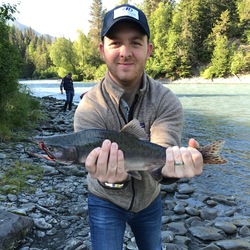
Very good for under $15 (Kroger)- small group cook out at 16 &1/2 n Elm — 11 years ago
Asahi-Shuzo Sake Brewing Co.
Dassai Beyond Junmai Daiginjo Sake 2026
Dassai Beyond (獺祭 Beyond)
Brewery: Dassai / Asahi Shuzo, Iwakuni, Yamaguchi, Japan
Classification: Junmai Daiginjo
Rice: Yamada Nishiki
Polishing: Undisclosed
ABV: 16%
Brewer description: Dassai created Beyond to surpass what could be achieved simply by increasing the rice-polishing ratio. The brewery does not disclose the polishing ratio, emphasizing that the sake’s quality should be judged by the finished expression rather than a polishing number. Dassai describes it as having a complex, elegant aroma, delicate sweetness and a long finish.
Tasted at Sake Day SF — 9/26/2026. Rating is limited since the same glass was reused throughout the tasting, making it difficult to get a truly clean tasting and accurate read on the aromas.
Excellent. This is one of Dassai’s flagship luxury bottlings and was one of the expensive bottles in this group. Had before and it’s amazing. The others so are very close. Are you swayed by the name? Maybe but there’s a difference. The temp may have played into it. — 17 days ago
Casanova di Neri
Tenuta Nuova Brunello di Montalcino Sangiovese 2013

Not particularly impressive in the blind - blocky, lacking elegance, and clearly Italian. Had an inkling it was a Brunello given the group I was with. It did eventually reveal some delectable elements by the end of the night. Red-fruited and saline with some oaky spice, yet I felt its energy was drained by too much dry tannins, plum-ish and earthy characters. One to revisit, though my limited experience with this producer so far has been rather lacklustre. — 4 years ago
Charles Krug
Rocky Ridge Vineyard Limited Release Cabernet Sauvignon 2007
I would love to serve this blind in a group of like year cabs from Napa that fetch 200+ per bottle. This wine is massive. Posted one year ago and mentioned this one didn't seem to be ready to go yet. Well, this one is CLOSER but still took a 2 day slow ox. Nose is black and blue fruit, gingerbread, licorice. The entry is similar to the nose with a crushed, gravelly note. Peppery finish. Man this one is SINGING at the 2 day mark. One left! — 8 years ago
Portfolio
Limited Edition Napa Valley Cabernet Sauvignon Cabernet Franc 2001
A group of guys decided to meet up at our Wine Storage facility and bust out some unique bottles! Scores and notes to follow!
Bill was on point tonight wanting to prove to Weston that petite sirah can be delicious, but took a break from PS to bust this out. 😱 WOW! Absolutely superb. Toe to toe with the Peter Michael. Had more structure and complexity. The plum, tart fruit and earthy component to this for 16 yrs Old was so impressive. — 9 years ago

Colgin Cellars
Herb Lamb Vineyard Cabernet Sauvignon 2001
Dinner at Shola with group . Limited to 12 people. UnReal!! 2001! — 12 years ago


Norman
Dassai Hayata (獺祭 早田) Junmai Daiginjo 23
Brewery: Dassai / Asahi Shuzo, Iwakuni, Yamaguchi, Japan
Classification: Junmai Daiginjo
Rice: Yamada Nishiki 100%
Polishing: 23%
ABV: 16%
Process: Hayata rapid-heating pasteurization
Brewer description: Uses Dassai’s Hayata method, in which the sake is rapidly heated and immediately cooled to minimize heat exposure during pasteurization. The goal is to preserve the freshness, aroma and delicate character of the sake while providing the stability of pasteurization.
Tasted at Sake Day SF — 9/26/2026. Rating is limited since the same glass was reused throughout the tasting, making it difficult to get a truly clean tasting and accurate read on the aromas.
Excellent. One of the high-end Dassai bottlings from this group. — 17 days ago