Aramasa Brewery
Aramasa Shuzou
Cosmos Junmai Ginjô Genshu 2021


Aramasa strikes again! Although I did prefer the 2020 Lapis we drank this with, the 2021 Cosmos was no slouch. It had all the trademark Aramasa rawness and sapidity, as well as the textural weight and acidity I love. The Cosmos was rounder, more umami, more grain-focused, woodier, less exotic with its fruit notes, and had a perceivable bitterness. It was almost like a darker version of the Lapis to me. Put this altogether and the usual gone-before-you-know-it event ensued. — 4 years ago
Aramasa Brewery
Ecru Sake 2018
It's times like this when Aramasa makes me think of Keller. Notwithstanding that they both make completely different beverages, it is their ability to bring an incredible drinkability to their otherwise Herculean creations that evokes the comparability. In other words, power without weight. And, of course, I love both producers!
The Aramasa's Ecru is exceptionally pure, in the same light that KP's kabi's are. As Aramasa aptly describes it (and Google not-so-aptly translated it), "reminiscent of thawed water from some cold regions". I like to think that they're referring to pure glacial meltwater, but you get the gist. Even Aramasa's name for this cuvee is perfect - 'unbleached' purity.
Smells like pear, melon, flowers, light cream, and river stones. The palate has a light bittersweet character, which is so alike some mineral water. Trademark citrus acidity and phenolic grip. Finishes juicy, clean, and long. Mind-boggling lightness to what would otherwise be akin to engine oil in weight. In one phrase, a hyper elegant saké.
And oh, this is Aramasa's entry level cuvee too 🤯 — 7 years ago

Aramasa Shuzou
Akita prefecture Kairyo-shinko 2017 Tohoku region Sake Contest Highest grate awards Junmai Daiginjo
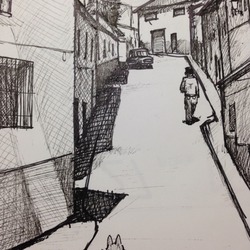
Aramasa / Aramasa shuzou/ Akita prefecture/ rice species: Kairyo-shinko/ rice polish ratio:30%/ 2017 Tohoku region Sake Contest Highest grate awards Junmai Daiginjo — 8 years ago



The Heretic & Co
Aramasa Brain Damage

Aramasa Brain Damage "The Heretic". The pinnacle of sake. Extremely rare bottling very hard to find in Japan. — 8 months ago
Yamamoto
Junmai Ginjo No. 6
Yamamoto Junmai Ginjyo No. 6 - a very thoughtful gift from KK. He clearly knows how much of a fan I am of Aramasa, the birth place of the No. 6 starter. Put that in the hands of another cult brewer in Akita (NB: both Next5 brewers), and you've got quite an intrigue. Drank side by side with two other No.6 peers from Aramasa, this was distinctly different. Richer and wilder, which made sense being a unpasteurized, undilluted brew of Yamadanishiki. The nose was all yeasty, with some topical fruits punching through. On the palate, it was rich and umami with a round glycerol opulence, yet all balanced by elegant green apple notes and bright acidity. I'm a fan, but it's got nothing on the Aramasa's on the table. — 4 years ago
Shinsei (AraMasa) Brewing
Lapis (Lapis Lazuli) Junmai Ginjo 2016

Top notch saki — 7 years ago
Aramasa Shuzou
Nirugame rice species: Akita Sakekomachi rice polish ratio: 90% Junmai
Aramasa Nirugame / Aramasa shuzou/ Akita prefecture/ rice species: Akita Sakekomachi / rice polish ratio: 90%/ Junmai/ deep minerals and Koji note, crispy acid light sweetness, rich body but sophisticated texture. — 8 years ago
Aramasa Shuzou
Viridian Junmai Kimoto Sake 2016
For me, the greatest contraction of the best wines is power without weight. This bottle was significant to me for this very reason. It was the first time I thought of sake as being great. It's really the sensation of drinking it that I remember. Structure and finesse, refined profile, and remarkably balanced. — 8 years ago
Aramasa Shuzou
Aramasa Asashibori Junmai Sake
Name:" Aramasa", 新政/
SUntitled: " Risshun Asashibori"
Brewery: Aramasa shuzou/
Region: Akita prefecture/
Cépage: /
Category: junmai/
Crispy, minerals and good balanced.
— 12 years ago
Aramasa Brewery
Hi no Tori Aramasa Private Lab Kijoshu
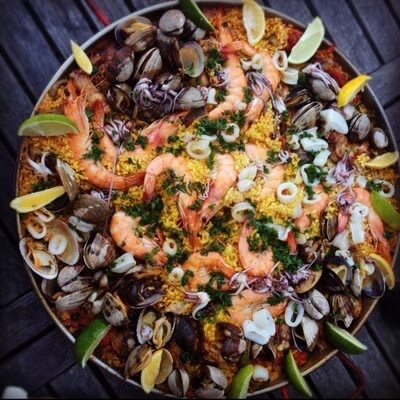
• Label: 陽乃鳥 (Hi no Tori / Phoenix)
• Series: Aramasa Private Lab
• Style: Kijoshu (dessert-like, rich, sweet sake)
Dassai Sake Brewery
Dassai 23 Junmai Daiginjo Yamadanishiki Sake
After a line-up featuring the likes of Aramasa, Yamamoto, Tatenokawa, and Ohmine, the Dassai 23 Centrifuge came off a little boring. As JT puts it, “It’s what I’d expect saké to taste like.” Then chef Alex added the darnest comment, “Doesn’t it remind you of soju.” Hahahaha.
Rich, round and heavy, with an almost sterile quality to the finish, it definitely wasn’t up my alley but I got to commend how lovely the silky textures were. Solid though - Dassai is Dassai, like how Dom is Dom. Reliability at scale. — 4 years ago
Kuheiji
Camargue cepage Manobi Sake 2017
French Manobi rice, grown in Carmague, brewed in Japan - part of the Kuheiji's projects in France (the other being a winery in Morey-Saint-Denis). Weighty, but mind-blowingly elegant. Floral, herbaceous, with an exotic fruit profile, and a mineral finish. So good, impossible not to empty.
NB: Taking this notes straight from my IG. After the Aramasa Cosmos, I would have never thought I'd drink another saké that could trump it within the span of a week. To be frank, I've got mixed feelings about Kuheiji - sometimes their saké's are too rich for me, but at times they are truly out of this world, like the one right here. Ranks among the best saké's I've tasted. Thanks to JS for bringing this rare bird back from Japan. — 7 years ago

Aramasa Shuzou
Amaneko Tokubetsu Sake
酸味高い、おいしいお酒 — 8 years ago

Jason Li
Absolutely amazing — 2 months ago