Crooked Can Brewing Co.
Torbreck Vintners
Descendant Barossa Valley Shiraz Viognier 2005

From the winery: "This single vineyard wine, located next to our winery block on Roennfeldt Road, was planted by Dave Powell in 1994 with cuttings off old RunRig vineyards - some of the oldest genetic material in Australia. The Barossa's first co-fermented Shiraz/Viognier, Descendant has been joined by many more in the last couple of years - a testament to its success. Shiraz is crushed straight on top of Viognier, which has been lightly pressed for RunRig. The blend of fruit is then co-fermented and later the wine is matured for 18 months in barrels that had been previously used for RunRig. The deep red clay soils in this vineyard produce fruit which is very savory, textured and rich, a satin-like texture and a glorious perfume. Of all the Torbreck releases this is one that really needs patience. Its immediate charm can be enjoyed upon release with a few hours breathing, but after the first 6 months, the rest should be locked away for at least 5 years." — 5 years ago



La Jota Vineyard Co.
Heritage Release Howell Moiuntain Cabernet Sauvignon 2008
the wine is identified.. can you identify the man? — 7 years ago


Produttori del Barbaresco
Barbaresco Nebbiolo 2009
Light app tonight for dinner. Burrata, roasted garlic, two different cherry tomatoes picked tonight from the garden, pesto sauce, olive oil and Tondo balsamic vinegar. The only balsamic to use. Found it in Tuscany years ago and it’s all we use. You can order it on Amazon but, not inexpensive. All over, crostini’s drizzled with smoked olive oil. Soooo good!
The nose reveals, sweet & sour dark cherries, dark berry mix, stewed dark plum, blue fruit hues, touch of baked strawberries, tomato with leaf, sweet tarry notes, limestone minerals, dark rich soil, light baking spices and dark & blue fresh florals.
The body is medium full. Soft, round, tannins 70% resolved. The structure, length, tension has hit a high point. Ripe; sweet & sour dark cherries, dark berry mix, stewed dark plum, blue fruit hues and a touch of baked strawberries. Tomato with leaf, sweet tarry notes, on the long decant, add malt & light caramel, used leather, saddle-wood/cedar, limestone minerals, dark rich soil, medium dark spice, light baking spices and dark & blue fresh florals. The acidity is nice. The finish is good, balanced and lasts minutes.
Photos of, the tasting room at Produttori which is just under and to the right of the clock tower in the arial photo, arial view of the hilltop town of Barbaresco and our delicious small plate.
Producer note...Produttori is the third largest co-op in all of Europe. Be that they are a co-op, they still make some exceptional wines as well as great QPR wines. 🇮🇹 — 8 years ago

Bedrock Wine Co.
Compagni Portis Vineyard Gewürztraminer Blend 2014

Never can turn this wine down...always satisfies — 9 years ago
Rene Rostaing
Ampodium Côte-Rôtie Syrah 2010
2010 was a very good vintage in Rhône. Rostaing is a well know producer with people that know and drink Northern Rhône wines, not so much with others that do not. The Ampodium is the entry level into Rene & Pierre Rostaing wines. It is a blend of 13 vineyards in Northern Rhône. They are simply one of the very best producers in the region. I spent an afternoon with Rene & his son Pierre tasting in the their cellar and in their La Landonne vineyard as shown in the photos. The 2010 is drinking beautifully with many good years ahead. On the nose; ripe & slightly stewed/baked fruits of; blackberries, dark cherries, strawberries, creamy raspberries, stewed plum, black raspberries, cherries, steeped fruit tea, dry crushed rocks, iron pan, some white & black pepper, bacon fat, grilled savory meats, pork, black licorice, black cherry cola, decayed & fresh red florals with violets. The body is round and medium full. The tannins round, still a little chewy & around 55% resolved. The length, texture, tension and balance are in near perfect harmony. The fruits are; round, ruby & ripe; slightly stewed/baked fruits of; blackberries, dark cherries, strawberries, creamy raspberries, stewed plum, black raspberries & cherries. Steeped fruit tea, dry crushed rocks, chalky minerals, iron pan, coffee grounds, spice, some baking spices w/hints of vanilla, white & black pepper, drying blood, dry herbs/bay leaf, dry stems, moderate levels of bacon fat & pork, grilled savory meats, black licorice, black cherry cola, decayed & fresh red florals with fresh violets for days. The acidly is round and dripping. The long finish is plush, velvety delicious and lasts & lasts. In good vintages, I would put this in blind with the best of of the best new world wines from any vintage that many love; SQN, Booker, Saxum, Alban, Cayuse, Horsepower etc.. I’d bet most of you would pick it over these producers that cost much more $$$. It’s simply one of the best pound for pound wines/producers for this varietal. Especially, for the $$$. Wow, what a wine for the $. $55 upon release. Photos of; Winemaker Pierre Rostaing and our group in their La Landonne vineyard, the small sign that barely identifies their Estate, an example of the Quartz mineral that runs throughout their La Landonne vineyard and the view back onto the river from the top of the very steep La Landonne Vineyard. Producer notes and history...Rene Rostaing produced their first wine in 1971. However, it took almost three decades before wine became a full time occupation for Rene Rostaing. Domaine Rene Rostaing came about through marriage. The wife of Rene Rostaing was the daughter of the famed Cote Rotie grower, Albert Dervieux, and the niece of Marius Gentaz-Dervieux who gave Christine the vineyard land that became the Northern Rhone estate for Rene Rostaing. Through inheritance from Albert Dervieux Thaize (his father-in-law) who retired in 1990, and from Marius Gentaz Dervieux, his uncle, Rene Rostaing expanded his holdings, giving him some of the best terroir in Cote Rotie. The new vineyard land was basically 3 small parcels in the La Landonne, Cote Brune and Vialliere lieux-dits. This initial expansion from his initial tiny parcel, allowed Rene Rostaing to change careers and become a full time vigneron. Since 2007, the estate has managed by Pierre Rostaing, (son) of Rene Rostaing. Currently Rene Rostaing owns 7.5 hectares of vines that is spread out among 20 different parcels located in 14 locations. Perhaps the most celebrated vines of Rene Rostaing are the 1.6 hectares of vines they own in the La Landonne vineyard (photo). On La Landonne, the vines are more than 60 years old. Some vines are even close to 100 years of age! Those are his largest holdings. The smallest vineyards of Rene Rostaing are located on Cote Blonde. Rene Rostaing also has vines planted in; Fonjean, La Vialliere, Le Plomb, Bouchare, Leyat, La Roche and La Tupin. Their oldest vines are more than 70 years old and are used for Rene Rostaing Cote Blonde. The majority of those plantings are on the steep hillsides with mica, schist and rocky soils. 25% of those vines are closer to the bottom of the slopes and on the flats. Rene Rostaing remains a traditional Cote Rotie producer who is not among the last to harvest. His wines are aged using very little new, French oak barrels. On average, Rene Rostaing Cote Rotie are aged in about 10% new French oak barrels. Rene Rostaing produces 4 different Cote Rotie wines. Rene Rostaing Ampodium, which was previously known as Rostaing Cuvee Classique, is a blend of 13 sections of different vineyards, but it does not include their best holdings on La Landonne or Cote Blonde. The fruit for Rene Rostaing Ampodium has at least 40% or more of the stems removed and run between 12-13.5% abv. The wine is usually made from 100% Syrah and is aged in an average of 15% to 25% new, French oak barrels. The amount of new oak can be less, depending on the character of the vintage. About 1,750 cases are produced each year. The wine is no longer called Cuvee Classique, the name was changed to Rene Rostaing Ampodium with the 2009 vintage. Rene Rostaing La Landonne comes from a terroir consisting of sands with iron oxide and traces of quartz. This wine is always produced from 100% Syrah. The grapes are partially destemmed, with about 10% to 20% of the stems removed, depending on the vintage. There are vintages when no destemming takes place. The remainder of the grapes are whole bunch fermented in stainless steel vats. Rene Rostaing is not a believer of using too much new oak for the aging, which on average uses 10% new, French oak barrels and the remainder of the harvest is aged in demi-muids (600 liter) and French oak barrels. This wine is like most wines from La Landonne, masculine and meaty in character, requiring at least a decade to soften and develop. On average, Rene Rostaing La Landonne produces less than 600 cases depending on what the vintage delivers. Rene Rostaing Cote Blonde is perhaps his best. It’s produced from a blend of 95% Syrah and 5% Viognier. The grapes are co-fermented. The vineyards is planted in the region call Arzel. Arzel is a poor, mineral laden soil with deposits of Silex and Mica on a steep hillside. The vines are more than 50 years of age. The grapes are partially destemmed…35% to 50% of the stems are removed. The remainder of the grapes are whole bunch fermented in stainless steel vats.
The remainder of the harvest is aged in demi-muids. This one is the hardest to find and most collectible of all their wines. In fact, they only produce close to an average of 350 cases of Cote Rotie in most vintages. Rene Rostaing Cote Brune made its debut with the 2013 vintage. The vines were once part of the holdings of Marius Gentaz, which eventually passed to Rene Rostaing. Rostaing replanted those vines in 2000. Made from 100% Syrah. — 9 years ago
Paul T, Missing My Beautiful Wife 24/7
Is this considered cold climate or warm climate?Realm Cellars
Beckstoffer Dr. Crane Vineyard Cabernet Sauvignon 2015
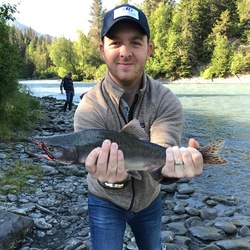
One of the wines I supplied for an annual lunch hosting (co-host this time). I was really hesitant to open this given the fanfare of this specific wine, but also how DrCrane can be an in-between wine for me (so explosive young, shut down at 5-10yrs, re-open 10+). Decanted two-three hours.
Classic deep purple-black DrCrane in the glass. Aromatics are immediate with ripe blue and black fruits, baking spices, mocha and graphite. Just a little bit of high-toned EA to make it pop, along with this roasted character I always get from DrCrane wines. Opulent and polished in every way on the palate, this is a tidal wave of flavor with no hard edges. It’s a towering wine in the sense of so much concentration and depth on the mid-palate, but it’s so incredibly polished at the finish…almost shockingly so. The ripe fruits and the dark chocolate linger longer than any Napa cab I can remember. Iron first in a velvet glove.
No need to worry, these are open for business. Plenty of structure to carry a while, but this window seems like it was made for how this wine is drinking now. — 2 years ago

Bedrock Wine Co.
Pagani Ranch Heritage Sonoma Valley Red Blend 2021

The 2021 is sadly the last Pagani Bedrock will make. Just released, it’s pitch dark but full of vibrant fruit and zippy acidity. For a field blend heavy on Zinfandel, the young version has some pinot like qualities. I’m putting the rest of the allocation away for as long as I can hold out, ideally 10+ years. UPDATE 11/24: I held out for two years before going back in and it’s a changed wine — darker red fruits, plum, cocoa still with an acid zing and tannins for structure. — 4 years ago
Enfield Wine Co.
Haynes Vineyard Old Vine Chardonnay 2012

Really nice wine. Elegant and balanced with a long mineral finish. Shows what restrained winemaking can do with great fruit. Loved it with the Sole and Mac & Cheese, yum! — 6 years ago
Bedrock Wine Co.
Evangelho Vineyard Heritage Zinfandel Blend
I mean I always say yes to Bedrock! Solid Zin can drink on its own. Great with food! Great bang for the buck! — 7 years ago
La Jota Vineyard Co.
Howell Mountain Cabernet Sauvignon 2014

I can already tell that my palate is going to need a breather when I get back home: so many big boy reds 😅 Tonight’s pour is luscious and supple with velvety dark fruits, moistened tobacco, smoke, graphite, lavender, and eucalyptus. Looking forward to this opening up. Excellent craftsmanship right here. — 8 years ago




Château Brane-Cantenac
Grand Cru Classé en 1855 Margaux Red Bordeaux Blend 2005
I have a six-pack of this 05. I thought after 10 years in bottle, it would be interesting to check in on its evolution. While tasty, I’ll wait another 8-10 to open another. Even after 2-3 hours in the decanter, it’s still a very young adolescent. On the nose, slightly sour blackberries & dark cherries, dark currants, baked black plum, haunting blue fruits, anise, whiff of spice, steeped tea, dry stones, dry crushed rocks with dry top soil, caramel, vanilla with fresh & dry red florals. The body is thick & full. Tannins are starting to round out. It’s velvety on the palate. The fruits are; bright, fresh & ripe and really show the greatness of the 05 vintage. Dark currants, blackberries, dark cherries, baked black plum, haunting blue fruits, baked strawberries, cherries, raspberries on the long set, dark spice, clay & loamy dry top soil with crushed rocks, dry stones, cigar with ash, graphite, dry stems, slight herbaceous character, mint, used leather, clove, caramel, vanilla, fresh & dry red florals with violets. The round acidity is about perfect. The structure and length are still strong. The balance is in harmony. As for the long finish, it’s lush, ruby, rich and well polished. Photos of; Chateau Brane Cantenac, large wood vats, Henri Lurton and Estate vines. Producer notes and history...Chateau Brane Cantenac began in the early 17th century. At the time, the estate was known as Domaine Guilhem Hosten. Even that far back, wine was produced from the property. In fact, the wine was so highly regarded it was one of the more expensive wines in Bordeaux. It sold for almost as much money as Brane Mouton. This is interesting because of who went on to buy the vineyard in the 1800’s. The Baron of Brane, also known as “Napoleon of the Vineyards”, purchased the Chateau in 1833. At the time of the sale, the estate was called Chateau Gorce-Guy. To get the funds needed to purchase the Margaux vineyard, the Baron sold what is now called Mouton Rothschild, which was at the time of the sale, known as Chateau Brane-Mouton. Not such a good move with hundreds of years in hindsight! In 1838, the Baron renamed property taking his name and the name of the sector where the vineyards were located and called it Chateau Brane Cantenac. The Chateau later passed to the Roy family, who were well-known in the Margaux appellation in those days, as they owned Chateau d’issan. Moving ahead to 1920, the Societe des Grands Crus de France, a group of merchants and growers that owned several chateaux located in the Medoc including; Chateau Margaux, Chateau Giscours, and Chateau Lagrange in St. Julien, purchased Chateau Brane Cantenac. Five years later, M. Recapet and his son-in-law, François Lurton, took over Brane Cantenac along with Chateau Margaux. Lucien Lurton (the son of François Lurton) inherited Brane Cantenac in 1956. Today, the estate is still in the hands of the Lurton family. Brane Cantenac is owned and run by Henri Lurton. After being given the responsibility of managing Brane Cantenac, it was under the direction of Henri Lurton that large portions of the vineyard were replanted. Vine densities were increased, the drainage systems were improved and the plantings were also, slowly changed. The vineyard of Brane Cantenac is planted to 55% Cabernet Sauvignon, 40% Merlot, 4.5% Cabernet Franc and .5% Carmenere. Carmenere was used for the first time in the 2011 vintage. The only other Chateau I know that still uses Carmenere is Clerc Milon. The 75 hectare Left Bank vineyard of Brane Cantenac is essentially unchanged since it earned Second Growth status in the 1855 Classification. At least that is the case with the 45 hectares used to produce the Grand Vin of Brane Cantenac. Those 45 hectares are planted surrounding the Chateau. Those vines are located just in front of the Cantenac plateau and are the best terroir that Brane Cantenac owns. They have other parcels, which are further inland and much of those grapes are placed into their second wine, Le Baron de Brane. Those additional hectares can be divided into 3 main sections. Behind the Chateau, they have 15 hectares of vines on gravel and sand, 10 hectares across the road with sand, gravel and iron and a 13 hectare parcel with gravel called Notton, which is used for their second wine. The vineyard is planted to a vine density that ranges from 6,666 vines per hectare on the plateau and up to 8,000 vines per hectare for the vines located behind chateau, in their sandier soils. The higher levels of vine density are always found in the newer plantings. The terroir of Brane Cantenac consists of deep gravel, sand and clay soil. Experiments in the vineyards are currently looking at becoming more organic in their vineyard management. Today, more than 25% of Brane Cantenac is farmed using organic farming techniques. It is expected that over time, the amount of hectares farmed with organic methods will be increased. Brane Cantenac has gone through 2 relatively recent modernization’s in 1999, when they added began adding the first of their smaller vats to allow for parcel by parcel vinification and then again in 2015 when they completed a much more complete renovation of their cellars and vat rooms. While Brane Cantenac is a traditional producer, they are no stranger to technology as they were one of the first estates to embrace optical grape sorting machines. In very wet vintages, they can also use reverse osmosis. To produce the wine of Chateau Brane Cantenac, the wine is vinified in a combination of temperature controlled, traditional, 22 oak vats, 18 concrete tanks and 20 stainless steel vats that vary in size from 40 hectoliters all the way up to 200 hectoliters, which allows for parcel by parcel vinification. 40% of the fermentation takes place in the oak vats. The oldest vines are vinified in vats that are selected to allow for separate parcel by parcel vinification. The younger vines are vinified more often together in the same vats. However, the Carmenere is entirely micro-vinified, meaning that those grapes were completely vinified in barrel, using micro-vinification techniques. This can also happen because the amount of grapes produced is so small. Some vats can be co-inoculated, meaning they go through alcoholic fermentation and malolactic fermentation simultaneously. At Chateau Brane Cantenac, malolactic fermentation takes place in a combination of French oak tanks and barrels. The wine of Brane Cantenac is aged in an average of 60% new, French oak barrels for 18 months before bottling. The initial 2 months of aging is done with the wine on its lees, which adds more depth to the wine. There second wine is Le Baron de Brane. Le Baron de Brane is not new. In fact, previously, the second wine went under the name of Chateau Notton, which took its name from one of the main parcels where the grapes were planted. During the late 1950’s and into the 1960’s, having a second wine was important as the estate declassified 3 vintages, due to extremely poor, weather conditions in 1956, 1960 and 1963. Production of Chateau Brane Cantenac is about 11,000 cases per year. — 9 years ago

Palmer & Co
Brut Reserve Champagne Blend
Palmer turned my head in general at a recent tasting—if you can get your hands on the 1996 vintage my gosh…but for exceptional Champagne at (if not everyday) more frequently do-able prices lean in. Toasty white bread with these citrus notes that…can I be honest? It reminds me when as a teen vegetarian in St Louis I’d do late night runs to Steak and Shake where my friends got burgers but I’d order toast and butter with a lime freeze. Those toasty but piquant and refreshing notes. Expect like that on a platter with even more nuance. Obvi it doesnt taste like that precisely but its toast and citrus vibes don’t let go and cream and apple butter are backup singers. Do drink Palmer. — 3 years ago
Union Wine Co.
Underwood Oregon Pinot Noir 2021

The Oregon Pinot Noir I’ve been looking for…mostly. Label claims cherry, black currant, and forest floor. I’m happy to say it’s well-balanced in those areas. It has the earthiness that Firesteed was missing, yet I could use a little more and it still has a lighter body that keeps it from perfection. Not sure one can expect more body from Pinot Noir these days, at least coming from certain regions. Great balance and fruit aroma to the nose as well, no harsh acidity or spice. — 4 years ago


Cruse Wine Co.
Rancho Chimiles Vineyard Pétillant Naturel Valdiguié

If you can find one of the 962 bottles made of this terrific sparkling valdigue, do what I did and taste alongside Cruse’s still red valdigue. It’s the best way to gain some perspective on this wonderful under the radar Napa variety and the juxtaposition of the two wines helps sidestep the bubbles and expose what is left - just the grape.
The pale salmon sparkler has faint aromas of sour red fruit, hibiscus, and fresh cream. Quite rich with a creamy palette, there are flavors of red berries, green stems, and lots of minerals. Truly awesome. — 8 years ago
Bedrock Wine Co.
Ode to Lulu California Old Vine Rosé Blend

Sommelier, International Wine Guild; Balistreri Vineyard; Sales, Joy Wine and Spirits
It might shock you, but my favorite rosé is not French but instead comes from California! Blasphemy, I know - but Bedrock's Ode to Lulu is just that good. The difficulty is actually finding a bottle. For the last three years, I've only been allocated a case (or less) to sell here in Denver. It's possible you are one of the select few I've actually told about this wine... If not, now is your chance. This is the first year there's an "okay" supply. It won't last, but you should be able to get a bottle.
So yes, it's not French but it's made in the same style and method of Tempier Bandol Rosé- the most sought after, cult rosé out there. The name "Ode to Lulu" is actually an homage to the 4.5 foot tall, 101 year old woman named "Lulu" Peyraud (born Lucie Tempier) whose father gifted the Mourvedre heavy estate to her and her husband Lucien Peyraud. The wines they would go on to produce from the 1940's onward quite literally defined Bandol and put it on the map as some of the best rosés out there. She's still alive and presumably drinking plenty of wine.
This California-born "Ode to Lulu" is modeled after the great Tempier, but has some unique properties compared to it's French namesake. For one, the vines are EXTREMELY old. Tempier defined itself by focusing on old Mourvèdre and Grenache plantings, but even these French vineyards cannot compare to what Bedrock is working with in California. If you don't know, Bedrock is the winery of Morgon Twain Peterson, son of legendary Ravenswood founder Joel Peterson. Morgon grew up making wine and through his father has cultivated relationships with some of the most important heritage vineyards in California. The "Ode to Lulu" is made from Mourvèdre and Grenache planted as far back as 1888! These are some of the oldest plantings of these grapes around and make for unbelievable wines. Tempier's average vine age is around 40 years old today. Bedrock's is over 3x as old. Insane.
Morgon may be young, but he has a life time of winemaking experience. He started making wine with his father when he was 5 years old and hasn't stopped yet. In addition to absorbing his father's knowledge on heritage vineyards, he is a real student in the world of wine, earning a "Masters of Wine" designation (this industry's highest achievement). I've been drinking his wine for several years and I can say that his wine is made extremely thoughtfully and with expert attention to detail. This is true even with a wine as humble as rosé.
Unlike most California pink wine, Bedrock is not produced by "bleeding off" juice from a red wine. Instead, the grapes are picked early and separately at very low potential alcohols, and whole cluster pressed with low extraction. This preserves the freshness and acidity, creating a wine of clarity. In an old blog post I dug up, Morgon explains this idea:
"I pick at potential alcohols lower on the scale where brightness and lift still exist. This is not to say that fruit does not matter—I use Mourvedre from a block planted over 120 years ago for requisite concentration of complexity of flavor—but like fine champagne, the wonders of rosé lie in its unbearable lightness of being."
I agree with this idea of rosé and I think most people instinctively do as well. It's no coincidence that our best selling bottles come from provence. However, I urge you to pick up at least one bottle of this Ode to Lulu. It's a wine that's close in spirit to the best French rosé but made from vineyards that are American and unrivaled in age.
This is the fourth vintage of Ode to Lulu I've tasted, and I would say that's the most elegant yet. The 2015 was maybe my favorite for it's depth and I picked a few up to age, drinking my last bottle recently... This new vintage is great now, but it will reward with a short cellaring time. Honestly, if you can hide 2 bottles and drink them before fall or into next year, you will be blown away. Bandol rosé is a wine that improves dramatically over the course of 6 months to several years (Tempier Rosé is known to go decades). This bedrock is no different.
I can personally attest to past vintages gaining depth with time. How is this possible? Unlike other rosé which should be drank young, Bandol and Ode to Lulu are made of Mourvedre, a grape that is naturally reductive and resistant to oxidation. Further, the acidity is high and alcohol low. As the acidity starts to fall away, a depth and richness of character will emerge. In fruitier/riper rosé with more alcohol, this richness becomes too sweet and cloying... Not the case here. This keep balanced through time, gaining complexity while remaining refreshing.
You should buy this wine. However, I think there is one more important facet to rosé that I should mention before you do... Rosé is not always about what's in the glass itself. Rosé is really an ethereal thing... It's more so an "essence" of terroir and vintage rather than a sturdy, hard representation like red wine is... Sorry if that doesn't make sense but what I'm trying to say is that sometimes rosé is more about the place and the people you enjoy it with than the exact flavors themselves. Of course, we cannot all visit the picturesque village of Bandol to visit Lulu Peyraud; but I think, with this sunny Colorado weather, we can come close. Perhaps Morgon said it better than I can:
"Proper rosé is refreshing, life-nourishing stuff that revives the soul... I drink as much for pure pleasure as for intellectual stimulation. In the warmer months there is something sacred about a late afternoon meal of cold chicken, fresh garden tomatoes, and rosé. It is one body in the sacred trilogy of rustic simplicity." - Morgon Twain Peterson
#rose #oldvine #lulu #tempier #bedrockwineco — 8 years ago
Freddy R. Troya
Torbreck RunRig Shiraz–Viognier 2021 Barossa Valley, South Australia 🇦🇺
Overview: A monumental Barossa Rhône-inspired powerhouse blend of approximately 98% Shiraz and 2% Viognier, delivering extraordinary depth, concentration, and architectural structure while retaining aromatic lift and finesse. This is Barossa at its most commanding yet disciplined, massive fruit density wrapped in precision, energy, and length. A wine that commands attention, rewards contemplation, and delivers relentless momentum from first sip to finish.
Aromas & Flavors: Explosive black plum, blackberry compote, cassis, and dark cherry saturate the nose, layered with violets, smoked spice, cocoa nib, graphite, and subtle savory meat tones. The palate unfolds in waves of black fruit intensity, crushed stone minerality, licorice, espresso, and warm spice, finishing long, deep, and persistently resonant.
Mouthfeel: Full-bodied, muscular, and impeccably structured with commanding tannins that feel polished rather than aggressive. Immense mid-palate density is balanced by freshness and lift, creating a sense of power without heaviness. The texture is authoritative, layered, and built for long-term evolution.
Food Pairings: Dry-aged ribeye or wagyu. Slow-braised lamb shank with rosemary and garlic. Venison with black cherry reduction. Smoked brisket. Aged hard cheeses such as Comté, Manchego, or aged Gouda.
Verdict: A truly elite expression of modern Barossa Shiraz, concentrated, complex, and unapologetically serious while remaining beautifully balanced and energetic. This is a reference-point wine that delivers immediate impact and exceptional cellar potential.
Did You Know?: RunRig is sourced from some of Barossa’s oldest and most revered Shiraz vineyards, with Viognier co-fermented in the traditional Northern Rhône style to enhance aromatic complexity, texture, and freshness.
🍷 Personal Pick: This wine completely captured my heart 100%, layered, commanding, and dangerously irresistible. One of those bottles that makes restraint impossible and reminds you why great wine can be genuinely emotional. A true benchmark experience.
— 10 months ago