Ishikawa
Noguchi Naohiko Sake Institute
Premium Ouveau Honjozo
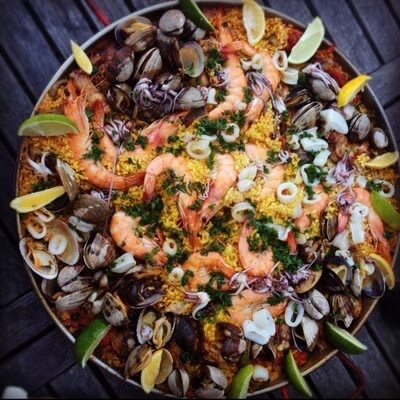

Noguchi Naohiko Sake Institute Premium Ouveau Honjozo. This has a lot of punch to it - little bit in the bitter side if taken by itself. Better with food and had with butterfish and sea perch sushi. Went very well with that after the differential with the prior sake was past. — 2 years ago
Shirato Sake Brewery
Okunoto no Shiragiku Special Junmai Genshu Hattanishiki

€70 bij Atsu san, niet super droog — 3 years ago
Fukumitsuya
Kagatobi A1I Junmai Daiginjo


Perfectly balanced — 6 years ago

Yoshida Shuzou
Tedorigawa Junmai Daiginjo Yamadanishiki

Fills mouth with warmth and flavor. Seeing mountain on top of the air like I’m flying and walking on wire in the air and it’s sunny with wind and can see mountain from far and goes far away with mountain taste like green tips of mountain. — 9 years ago
Kikuhime Goushigaisha
B.Y. Daiginjo Sake
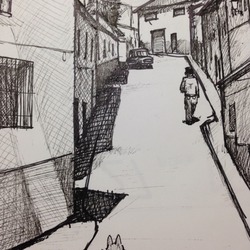
Kikuhime B.Y. Daiginjo/ Ishikawa prefecture, Japan — 10 months ago
Pol Roger
Pure Extra Brut Champagne Blend

New Year’s Day 2024. Wonderful although weird popping this open as news blares strong quakes in Ishikawa. — 3 years ago
Ishikawa brewing
Tamajiman Sake


Fukumitsuya
Kagatobi Junmai Ginjo Sake
Perhaps my favourite sake from my tippsy subscription — 6 years ago
Kikuhime
Ishikawa Yamahai (Pure Rice)
Kikuhime yamahai junmai nomikiri genshu/ Kikuhime goushigaisha/ Ishikawa prefecture/ yamadanishiki/ rice polish ratio: 70%/ — 9 years ago
Tedorigawa
Yamahai Junmai Shichimenchou-Sake 2025
手取川 ひやおろし “Scarlet Mountain” (Tedorigawa Hiyaoroshi “Scarlet Mountain”)
• Rice: Yoshida’s autumn junmai (hiyaoroshi-style) release: Koji rice Yamada Nishiki and kake rice Ishikawamon.
• Polish ratio: 60% (per Yoshida’s autumn junmai seasonal spec). 
• ABV: 15%
• Sake type: Junmai Hiyaoroshi (純米 ひやおろし)
• Junmai = pure rice (no added brewer’s alcohol)
• Hiyaoroshi = an autumn release that’s been matured/rested after brewing so it drinks rounder and more umami-forward than a just-released sake (it’s a seasonal “timing/style” designation, not a single fixed recipe)
• Brewery: 吉田酒造店 (Yoshida Sake Brewery)
• Location: Ishikawa Prefecture (石川県), Japan
• Bottle size: 720ml
• Importer: World Sake Imports
• Date code: “2025.09”
How it drinks: This is the “fall food sake” lane. The core impression is rice-weight and savory smoothness, not high aromatics. You get that autumn-rested integration: less sharp edges, more umami and round mid-palate. It’s the bottle that gets better once soy, grilled notes, mushrooms, and richer fish show up.
Why it reads “autumn”: Hiyaoroshi tends to land in a sweet spot where amino acids and residual extract feel more knit together, so you perceive more umami and less angularity. It’s not necessarily sweeter, it’s just more “settled,” and your palate reads that as depth.
ChatGPT above.
Had this second and as much as the info above says it will read less angular/sharp edges it has some rough ones. Banana strongly on the nose. Reads rougher to me as it’s not silky smooth like the other bottle. The alcohol is more present and the weight on the palate isnt as easily perceived due to that. As much as I preferred the other I think this was fantastic with the warmer foods at the end of the omakase and especially when the fatty otoro came out. Was able to stand up to that wher tbe delicate prior bottle would have been lost. — 10 months ago
Kikuhime Goushigaisha
Kikuhime Yamahai Junmai unfiltered undiluted unpasteurized
Kikuhime Yamahai Junmai unfiltered undiluted unpasteurized/ brewery: Kikuhime goushigaisha/ Ishikawa prefecture Japan — 4 years ago
Lou Dumont
Léa Sélection Les Genevrières Meursault 1er Cru Chardonnay 1989

2021/6/5 with delivery from Ishikawa. When we ate at Ishikawa a. Umber of years back we enjoyed a bottle of 1996 Ente Meursault, so I though it would be fun to have another mature bottle from the village this time. Deep gold with amber glints, this was clearly mature but not overly so for my tastes - lemon custard and nice acidity balanced the nutty, rich aged flavors. A really mature white Burgundy is such a rare, wonderful treat. — 5 years ago

Tengumai
50 Yamadanishiki Junmai Daiginjo Sake

Quite muted at the start, with an accentuated soya sauce and overripe banana characters. The alcohol was also noticeable. I think it was probably served too cold and also needed some aeration because the saké really took a turn for the better in the last third of the bottle.
Quite a fine nihonshu. Nice balance of fruit (pear, apple, banana), umami (soy), and acidity. I think it may be style of the brewery, but it definitely has this light aldehedic notes (hazelnut, almond). There's an intriguing herbaceous undertone, that I think wasn't given a chance to develop. Finish felt short. Good texture once it opened up (white phenolic, sappy).
To be frank, I much prefer their more extreme Yamahai. Not a big fan of it either, but I don't particularly fancy the sort of "half-way" oxidative notes here. Seems distracting here, treading on un-balanced. Again, nit-picking.
NB: Could well be a faulty bottle, but notes online seems to indicate otherwise. The colour was impeccable (so bright and clear). I think it's just a preference thing. — 8 years ago
Kobori Shuzou
Manzairaku Honjozo Gohyakumangoku Hokuriku
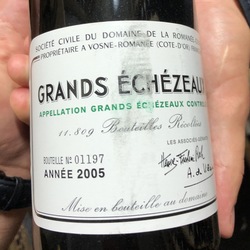
Light and well balanced savory style sake — 9 years ago
S.S. Mandani
Flowery floral goodness, savory, umami — 13 days ago